
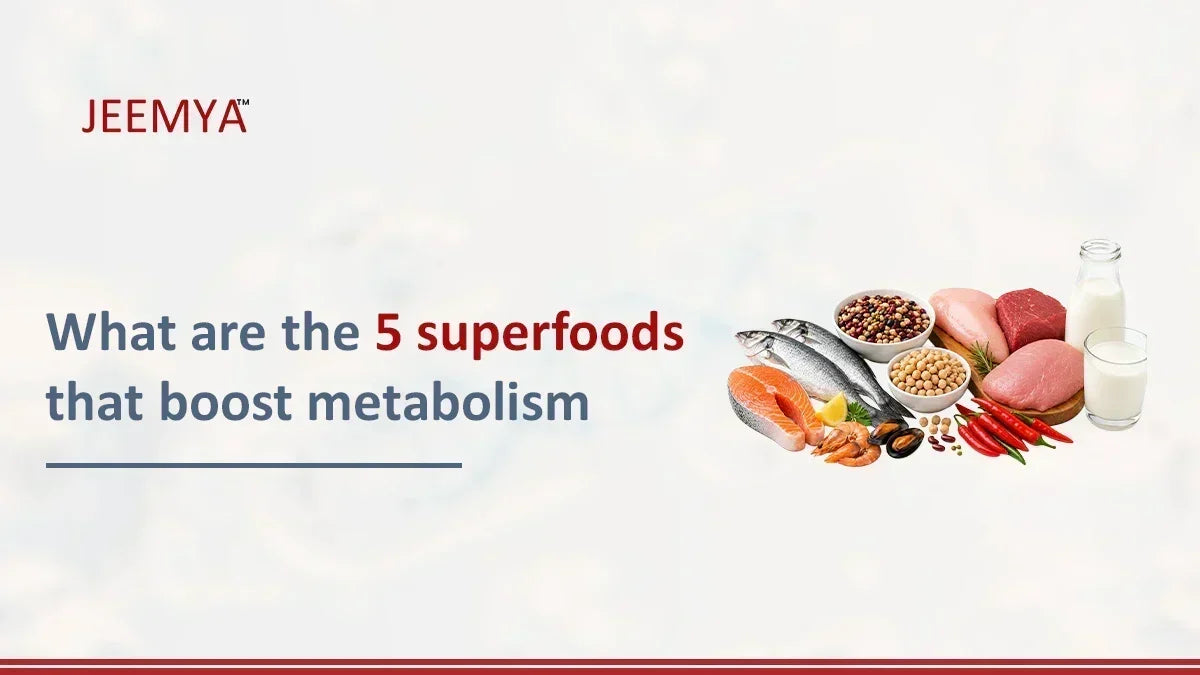
If you have noticed that your energy feels lower, your weight is harder to manage, or your body simply does not respond the way it used to you are not imagining it. After 40, your metabolism naturally begins to slow. But here is what most people do not realize: the foods on your plate have a measurable, scientifically documented effect on how efficiently your body burns energy.
This guide breaks down exactly what are the 5 superfoods that boost metabolism, backed by NIH-reviewed science, and explains how each one works at the cellular level, so you can make smarter choices starting with your very next meal.
What Exactly Is Metabolism?
Metabolism is not a single process. It is the sum total of every chemical reaction your body runs to keep you alive converting food into energy, building and repairing tissue, regulating hormones, and eliminating waste.
When people talk about a "slow metabolism," they are usually referring to a lower Resting Metabolic Rate (RMR) the number of calories your body burns at rest just to maintain basic functions. After age 40, both muscle mass and cellular energy production naturally decline, contributing to what many describe as a sluggish metabolism.
One key concept to understand is the Thermic Effect of Food (TEF) the energy your body expends simply to digest, absorb, and process what you eat. Different foods carry very different TEF values. Choosing the right foods can meaningfully influence how much energy your body uses each day, even before you exercise.
If you want to go deeper, our guide on cellular metabolism explains the biochemistry in plain language.
What Are the 5 Superfoods That Boost Metabolism?
- Fish & Shellfish
Fatty fish, salmon, mackerel, sardines, and tuna, are among the most metabolically active foods you can eat. Their power comes from long-chain omega-3 fatty acids (EPA and DHA), which have been studied extensively for their effect on energy metabolism.
Research published via the NIH shows that increased intake of fish-derived omega-3 polyunsaturated fatty acids (n-3 PUFAs) can raise the Thermic Effect of Food by over 51% in adults with metabolic syndrome, a clinically significant finding. Omega-3s also support the maintenance of lean muscle mass, and muscle is metabolically expensive tissue, meaning the more of it you carry, the higher your baseline calorie burn.
The American Heart Association recommends eating fatty fish at least twice per week, not only for cardiovascular reasons, but because regular fish consumption is inversely associated with metabolic syndrome risk.
For adults over 40 who do not regularly consume fish, what supplements boost metabolism may offer a practical alternative route to omega-3 support.
Key metabolic mechanism: Omega-3 fatty acids enhance fat oxidation and increase TEF meaning your body burns more calories processing the same meal.
- Legumes (Also Known as Beans)
Black beans, chickpeas, kidney beans, lentils, legumes are one of the most underrated metabolism-supporting food groups in the American diet.
What makes them exceptional? It is their unique combination of plant protein, dietary fiber, iron, magnesium, and potassium, all working together. Protein carries the highest thermic effect of any macronutrient, requiring up to 30% of its own caloric content just to be digested. Fiber slows glucose absorption, helping to stabilize blood sugar a critical factor in avoiding the energy crashes that signal metabolic dysregulation.
Peer-reviewed studies demonstrate that a legume-enriched diet improves metabolic health in individuals with prediabetes, partly through beneficial changes in the gut microbiome and up-regulation of genes involved in fat oxidation (β-oxidation).
Regular legume consumption is also associated with modest but consistent reductions in body weight, waist circumference, and fat mass meaningful outcomes for the 40+ demographic focused on healthy body composition.
Pair legumes with other metabolism-boosting foods for compounding benefit.
- Chili Peppers
Capsaicin, the bioactive compound that gives chili peppers and jalapeños their heat, is one of the most studied natural thermogenic agents in nutritional science.
Thermogenesis is the process by which your body generates heat, and capsaicin triggers it by activating specific receptors (TRPV1) in fat cells and muscle tissue. The result: measurably increased energy expenditure and enhanced fat oxidation, particularly at higher dietary doses.
Research published on PubMed confirms that capsaicin and its related compounds (capsinoids) can augment energy expenditure and fat burning and may also contribute to appetite suppression, reducing overall caloric intake.
It is worth being accurate: the magnitude of these effects is considered modest in isolation. But for adults over 40 looking to support a healthy metabolic rate, adding capsaicin-rich foods consistently is a scientifically supported dietary strategy not a fad.
- Lean Meats
Chicken and turkey are metabolic workhorses. As complete protein sources containing all essential amino acids, lean meats trigger the highest thermic effect of any food category.
The science is clear: protein requires your body to spend 20–30% of its own caloric content to digest and metabolize it. By comparison, carbohydrates require only 5–10%, and fats as little as 0–3%. A high-protein diet has been shown to double postprandial thermogenesis compared to a high-carbohydrate diet of equivalent calories.
Critically for the 40+ adult: adequate protein intake helps preserve resting energy expenditure (REE) during periods of caloric restriction — the phase when most people experience the dreaded metabolic slowdown. Muscle mass maintenance is the key mechanism here. Without sufficient dietary protein, the body preferentially breaks down muscle to fuel its energy needs — and less muscle means a slower metabolic rate.
If you are wondering how to boost metabolism in the morning , a high-protein breakfast built around lean meats or eggs is one of the most evidence-supported strategies available.
- Low-Fat Milk
Low-fat milk provides two nutrients that are critically relevant to metabolic health in adults over 40: calcium and vitamin D.
Calcium plays a well-established role in energy metabolism and muscle contraction. Vitamin D3, as reviewed by the NIH Office of Dietary Supplements, is essential for efficient calcium absorption and also participates in glucose metabolism an increasingly important function as insulin sensitivity naturally declines with age.
Adequate vitamin D status is associated with better body composition and has been studied in relation to muscle mass preservation the foundation of a healthy metabolic rate. Low-fat dairy provides both nutrients in a bioavailable, food-matrix format that enhances absorption compared to many isolated supplements.
For adults who are lactose-intolerant or dairy-free, what fruits boost metabolism offers plant-based alternatives worth exploring.
Finding the Best Supplement for Metabolism Support Starts with Jeemya
Food is the foundation, but for adults over 40, diet alone sometimes cannot fully address the cellular-level changes driving metabolic slowdown.
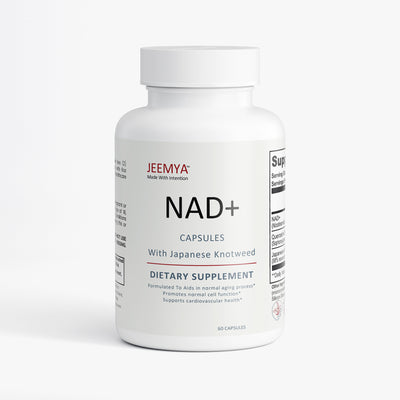
One of the most significant of those changes is the natural decline of NAD+ (Nicotinamide Adenine Dinucleotide) a coenzyme present in every living cell that is central to cellular energy metabolism. NAD+ powers the mitochondria, your body's energy-producing organelles, and its levels measurably decline with age. Research published on PubMed by leading scientists including Dr. David Sinclair at Harvard has linked declining NAD+ levels to reduced cellular energy production, slower metabolic function, and accelerated aging markers.
Jeemya's NAD+ formula (Product #1) was designed specifically for the health-literate adult 45–65 demographic. It delivers a triple-action longevity stack in a single daily capsule:
|
Compound |
Role in Metabolic Health |
|
NAD+ 500mg |
Cellular energy precursor — supports mitochondrial function* |
|
Quercetin Dihydrate 250mg |
Senolytic flavonoid — supports cellular cleanup and metabolic signaling* |
|
Japanese Knotweed Resveratrol 98% 150mg |
Sirtuin activator — aligns with Dr. Sinclair's longevity research* |
All three compounds are delivered at clinically aligned dosing, distinguishing Jeemya NAD+ from single-ingredient, underdosed competitors.
These statements have not been evaluated by the Food and Drug Administration. This product is not intended to diagnose, treat, cure, or prevent any disease.
Frequently Asked Questions
Can certain foods permanently boost metabolism?
No food permanently increases your metabolic rate. However, consistently choosing high-TEF foods, particularly those rich in protein, omega-3 fatty acids, and capsaicin, can support a meaningfully higher daily calorie burn over time. Long-term dietary patterns, combined with muscle-preserving activity, are what produce lasting metabolic improvements.
What is the best superfood for metabolism?
Based on the scientific evidence, lean meats and fish rank highest for measurable metabolic impact due to their combined effect of high thermic value and omega-3 content. However, a combination of all five foods in this list produces compounding benefits that no single food can deliver alone.
Does metabolism affect energy levels?
Absolutely. Metabolism is the direct source of your body's energy currency (ATP). A well-supported metabolism means more efficient cellular energy production — which translates to sustained energy throughout the day, better cognitive function, and improved physical stamina.
What is NAD+ and how is it related to metabolism?
NAD+ (Nicotinamide Adenine Dinucleotide) is a coenzyme found in every cell of the human body. It plays a central role in the metabolic pathways that convert food into usable cellular energy specifically within the mitochondria. Without adequate NAD+, these energy-conversion processes become less efficient. Learn more about cellular metabolism and why NAD+ matters after 40.
Do NAD+ levels change with age?
Yes. NAD+ levels decline significantly with age, a finding well-documented in peer-reviewed literature. This decline is considered one of the key contributors to reduced cellular energy production, slower metabolic function, and increased fatigue that many adults experience after age 40.
What are the best ways to support a healthy metabolism?
The evidence-based approach combines: protein-rich whole foods, regular resistance exercise to preserve muscle mass, adequate sleep, stress management, and targeted nutritional support where dietary gaps exist. For adults over 40, addressing NAD+ levels and ensuring adequate vitamin D and omega-3 intake are particularly high-leverage strategies. See our full guide on how to boost a sluggish metabolism for a complete action plan.
Scientific References
- NIH Office of Dietary Supplements: Omega-3 Fatty Acids: Fact Sheet for Consumers Covers EPA/DHA roles in metabolic and cardiovascular health.
- NIH Office of Dietary Supplements: Vitamin D: Fact Sheet for Health Professionals Details Vitamin D's role in calcium absorption, glucose metabolism, and muscle function.
- NIH Office of Dietary Supplements: Calcium: Fact Sheet for Health Professionals Covers calcium's role in metabolic and muscular function.
- Halton TL, Hu FB. "The effects of high protein diets on thermogenesis, satiety and weight loss: a critical review." Journal of the American College of Nutrition. 2004. PubMed Primary Literature: High-protein diet doubles postprandial thermogenesis vs. high-carbohydrate diet.
- Whiting S, et al. "Capsaicinoids and capsinoids. A potential role for weight management?" Appetite. 2012. PubMed Primary Literature: Capsaicin augments energy expenditure and fat oxidation.
- Becerra-Tomás N, et al. "Legume consumption is inversely associated with type 2 diabetes incidence in adults." Journal of Nutrition. 2018. PubMed Primary Literature: Legumes, metabolic health, and gut microbiome effects.
- Cantó C, et al. "The NAD+ precursor nicotinamide riboside enhances oxidative metabolism and protects against high-fat diet-induced obesity." Cell Metabolism. 2012. PubMed Primary Literature: NAD+ precursors and mitochondrial metabolic function.


0 comments