
The supplement industry has a massive credibility problem, particularly within the "metabolism booster" category, which is flooded with overmarketed, under-researched, and sometimes dangerous products. However, some supplements genuinely do influence metabolic function—not through magic, but through well-understood biochemical mechanisms that actively participate in your body's energy-producing pathways at the cellular level.
If you are wondering what supplements boost metabolism, this article separates the science from the sales pitches and marketing gimmicks. We will break down 12 evidence-backed supplements, explain exactly how they influence your metabolism, and give you a clear framework to evaluate which options are truly worth your money.
A Critical Note Before We Begin: Safety First
Before diving into what works, we need to address what can hurt you.
The U.S. FDA does not pre-screen dietary supplements for safety or efficacy before they reach store shelves. Under the 1994 Dietary Supplement Health and Education Act (DSHEA), manufacturers self-assess safety — meaning contaminated, adulterated, or dangerously dosed products regularly enter the market.
The documented risks of poorly regulated weight loss supplements include:
- Liver injury — The U.S. Drug Induced Liver Injury Network reports that 16% of serious drug-induced liver injury cases are attributed to dietary supplements, with weight loss products among the most common offenders. Products like Hydroxycut and OxyELITE Pro have been linked to acute liver failure requiring transplantation.
- Kidney failure — The FDA has documented cases of acute kidney injury associated with certain fat blockers, including orlistat-based products that cause oxalate nephropathy.
- Cardiovascular risk — FDA testing has revealed that hundreds of weight loss supplements contain hidden pharmaceutical drugs including sibutramine (withdrawn for heart attack and stroke risk), amphetamine derivatives, and potent diuretics that cause dangerous electrolyte imbalances.
- Heart palpitations and high blood pressure — Stimulant-based calorie burners and appetite suppressants frequently contain excessive caffeine, synephrine, or undeclared stimulants that cause tachycardia, arrhythmias, and hypertensive episodes.
The CDC estimates over 23,000 emergency department visits per year in the U.S. are caused by dietary supplements — and weight loss supplements account for over 25% of those visits.
The lesson: Not all metabolism boosters are created equal. The supplements listed below are individual, well-researched compounds with documented safety profiles — not proprietary blends hiding unknown ingredients behind "trade secret" labels.
12 Supplements That Actually Influence Metabolism
-
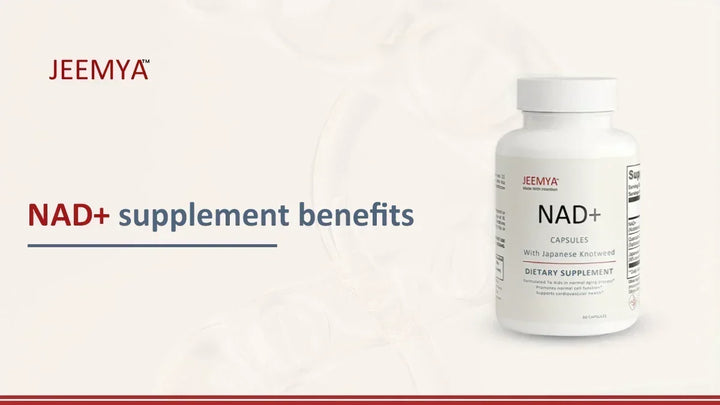
NAD+ Supplements
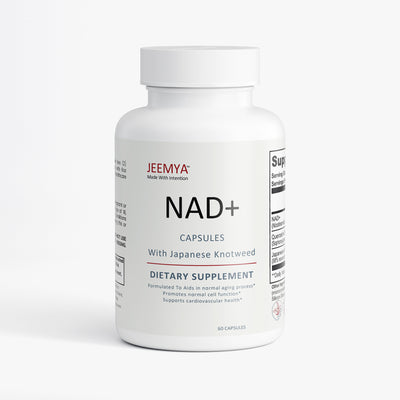
What it does: NAD+ (nicotinamide adenine dinucleotide) is a coenzyme required for over 500 metabolic reactions in every cell. It's the central electron carrier in glycolysis, the TCA cycle, and oxidative phosphorylation — meaning without adequate NAD+, your body literally cannot convert food into energy efficiently.
How it boosts metabolism: NAD+ activates sirtuins (SIRT1–7), a family of enzymes that regulate mitochondrial biogenesis, fat oxidation, insulin sensitivity, and cellular energy production. It also maintains the NAD+/NADH ratio that governs whether your cells are in energy-producing or energy-storing mode.
The evidence: A 2025 systematic review of 113 studies (33 human intervention trials) confirmed that NAD+ precursors like NR and NMN consistently demonstrate biochemical target engagement — increasing circulating NAD+ levels by up to 60% in human tissues. Research shows connections to improved sleeping metabolic rate (+4%), increased fat-free mass, and enhanced cerebral bioenergetic efficiency.
Why it matters: NAD+ levels decline 40–60% between ages 40 and 60. This decline is now recognized as a root mechanism of metabolic aging — not just a symptom. Replenishing NAD+ doesn't just boost one pathway; it supports the upstream molecule that hundreds of metabolic enzymes depend on.
Best for: Adults 35+ experiencing age-related metabolic slowdown, fatigue, or declining energy despite adequate diet and exercise.
-
Berberine
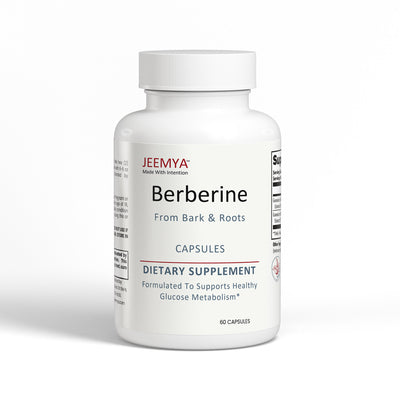
What it does: Berberine is a plant alkaloid that activates AMPK (AMP-activated protein kinase) — your cells' master energy-sensing switch. AMPK activation triggers a cascade of metabolic improvements including increased glucose uptake, enhanced fatty acid oxidation, and suppressed fat accumulation.
How it boosts metabolism: By activating AMPK, berberine essentially tells your cells to shift from storage mode to burning mode. It inhibits ACC (acetyl-CoA carboxylase), reducing fat synthesis while simultaneously increasing the oxidation of existing fat stores.
The evidence: A dose-response meta-analysis of 12 randomized controlled trials found that berberine significantly decreased body weight (−2.07 kg), BMI (−0.47 kg/m²), and waist circumference (−1.08 cm) — with effects most pronounced at doses over 1g/day for 8+ weeks. Clinical studies also show 4–5% body fat reduction when combined with lifestyle intervention.
Why it matters: Berberine is particularly effective for individuals with insulin resistance, prediabetes, or metabolic syndrome — conditions where AMPK dysregulation contributes directly to weight gain and metabolic slowdown.
Best for: Individuals with blood sugar regulation challenges, metabolic syndrome indicators, or those seeking GLP-1 medication companion support.
-
Green Tea Extract (EGCG + Caffeine)
What it does: Green tea's active components — epigallocatechin gallate (EGCG) and caffeine — work synergistically to increase thermogenesis and fat oxidation.
How it boosts metabolism: EGCG inhibits COMT (catechol-O-methyltransferase), the enzyme that breaks down norepinephrine. Caffeine inhibits phosphodiesterase. Together, they extend the half-life of catecholamines, elevating resting metabolic rate by approximately 3–4%.
The evidence: Meta-analyses show that green tea catechins combined with caffeine produce approximately 1.0–1.4 kg additional weight loss versus placebo over 12+ weeks. A key finding: EGCG alone (without caffeine) shows nonsignificant effects — the synergy between both compounds is essential.
⚠️ Safety note: High doses of green tea extract (>800 mg EGCG/day) have been linked to hepatotoxicity — liver damage serious enough to require transplantation in rare cases. The DILIN network has identified green tea extract (Camellia sinensis) as a recurring cause of supplement-induced liver injury. Stick to moderate doses (270–400 mg catechins/day) and avoid taking on an empty stomach.
Best for: Those seeking modest thermogenic support alongside exercise. Effective dose: 270–800 mg catechins/day + 80–300 mg caffeine.
-
Caffeine
What it does: Caffeine is a methylxanthine that stimulates the central nervous system, increases thermogenesis, and enhances fat oxidation through sympathetic nervous system activation.
How it boosts metabolism: A 100 mg dose of caffeine increases energy expenditure by approximately 9.2 kcal/hour for 3+ hours. It activates brown adipose tissue (BAT) via β-adrenergic stimulation, promotes lipolysis, and increases resting metabolic rate by 3–11% depending on dose and tolerance.
The evidence: Caffeine is the most extensively researched thermogenic compound. A 2013 clinical trial demonstrated that caffeine-containing thermogenic supplements increased resting energy expenditure by 8% for at least 4 hours post-ingestion without unsafe cardiovascular side effects in healthy adults.
Important limitation: Habitual use leads to tolerance, diminishing these effects over time. Cycling caffeine intake helps maintain thermogenic benefits.
⚠️ Safety note: FDA considers up to 400 mg/day safe for healthy adults. Beyond this threshold: nervousness, jitteriness, tachycardia, and insomnia become common. Individuals with high blood pressure or cardiovascular conditions should consult their physician.
Best for: Pre-exercise metabolic boost. Most effective when cycled (2 weeks on, 1 week off) to prevent tolerance.
-
B-Complex Vitamins
What it does: B-vitamins are essential coenzymes in virtually every energy-producing metabolic pathway. They don't provide energy themselves — but without them, your cells cannot extract energy from food.
How they boost metabolism:
- B1 (Thiamine) — Cofactor for pyruvate dehydrogenase, converting pyruvate to acetyl-CoA
- B2 (Riboflavin) — Component of FAD/FADH₂, essential for the electron transport chain
- B3 (Niacin) — Precursor to NAD+, required for 500+ metabolic reactions
- B5 (Pantothenic acid) — Component of Coenzyme A, central to fatty acid metabolism
- B6 (Pyridoxine) — Required for amino acid metabolism and glycogen breakdown
- B7 (Biotin) — Cofactor for carboxylases in gluconeogenesis and fatty acid synthesis
- B12 (Cobalamin) — Essential for methylation reactions and red blood cell formation
The evidence: Deficiency in any B-vitamin directly impairs metabolic efficiency. Women are particularly susceptible to B12 and folate deficiency, which manifests as fatigue, poor concentration, and metabolic sluggishness — making B-complex one of the best vitamins for energy for women experiencing tiredness.
Best for: Anyone with dietary restrictions (vegetarian/vegan for B12), women on oral contraceptives (which deplete B6, B12, and folate), and adults over 50 (reduced B12 absorption).
-
Magnesium
What it does: Magnesium is required for over 300 enzymatic reactions, including every reaction involving ATP. Technically, ATP exists in cells as Mg-ATP — magnesium is literally bound to the energy currency of your body.
How it boosts metabolism: Without adequate magnesium, ATP cannot be properly utilized, glycolysis slows, the TCA cycle is impaired, and insulin signaling becomes dysfunctional. Magnesium deficiency is directly associated with insulin resistance, inflammation, and metabolic syndrome.
The evidence: An estimated 50% of the U.S. population doesn't meet adequate magnesium intake. Subclinical deficiency impairs glucose metabolism, reduces exercise performance, and disrupts sleep — all of which compound metabolic slowdown.
Best for: Women experiencing fatigue and metabolic sluggishness (magnesium is one of the top women's vitamins for energy and tiredness), anyone with poor sleep quality, and individuals with insulin resistance.
-
Omega-3 Fatty Acids
What it does: EPA and DHA modulate inflammatory signaling, improve insulin sensitivity, and influence how your body partitions fuel between storage and oxidation.
How they boost metabolism: Omega-3s activate PPARα (peroxisome proliferator-activated receptor alpha), which upregulates genes involved in fatty acid oxidation. They also reduce chronic low-grade inflammation — a condition that directly impairs metabolic signaling and promotes fat storage.
The evidence: Meta-analyses demonstrate that omega-3 supplementation improves triglyceride levels by 15–30%, enhances insulin sensitivity, and may modestly increase fat oxidation during exercise. The anti-inflammatory effect is particularly relevant for individuals with obesity, where systemic inflammation drives metabolic dysfunction.
Best for: Individuals with elevated triglycerides, chronic inflammation markers, or those with inadequate fatty fish intake (fewer than 2 servings/week).
-
Iron
What it does: Iron is a core component of hemoglobin (oxygen transport) and cytochromes (electron transport chain proteins). Without adequate iron, cells cannot receive oxygen or complete oxidative phosphorylation — the final and most productive step of energy metabolism.
How it boosts metabolism: Iron deficiency directly reduces your cells' capacity to produce ATP through aerobic metabolism. The result is systemic fatigue, reduced exercise capacity, impaired thermogenesis, and a measurably lower metabolic rate.
The evidence: Iron deficiency is the most common nutritional deficiency worldwide, particularly affecting women of reproductive age. Correction of iron deficiency anemia consistently restores metabolic rate, exercise performance, and energy levels.
⚠️ Critical note: Iron should only be supplemented if deficiency is confirmed through bloodwork (serum ferritin, transferrin saturation). Excess iron is toxic and associated with organ damage. Never supplement iron without testing.
Best for: Premenopausal women (particularly those with heavy periods), vegetarians/vegans, and endurance athletes — but only after confirmed deficiency.
-
Probiotics
What it does: Specific probiotic strains influence how your gut microbiome extracts calories from food, regulates appetite hormones, and communicates with metabolic tissues through the gut-brain axis.
How they boost metabolism: Gut bacteria produce short-chain fatty acids (SCFAs) that activate GPR41 and GPR43 receptors, influencing energy expenditure and fat storage. Certain strains (particularly Akkermansia muciniphila and Lactobacillus species) are associated with leaner body composition and improved metabolic markers.
The evidence: Clinical studies show that berberine and polyphenols boost Akkermansia and Bifidobacterium populations, correlating with improved metabolic function. Probiotic supplementation has shown modest but measurable effects on waist circumference and body fat in several RCTs.
Best for: Individuals with digestive issues, those on or recently completing antibiotics, and anyone with metabolic syndrome markers.
-
Protein Powder
What it does: Protein has the highest thermic effect of any macronutrient — your body burns 20–30% of protein calories during digestion alone, versus 5–10% for carbohydrates and 0–3% for fats.
How it boosts metabolism: Beyond the thermic effect, adequate protein intake preserves lean muscle mass during caloric restriction. Since muscle tissue is metabolically active (burning calories at rest), protecting it during weight loss prevents the metabolic slowdown that typically accompanies dieting.
The evidence: Multiple meta-analyses confirm that higher protein intake (1.2–1.6 g/kg/day) during caloric restriction preserves significantly more lean mass, maintains higher resting metabolic rates, and produces better long-term weight loss outcomes compared to standard protein diets.
Best for: Anyone in a caloric deficit, adults over 50 (who face accelerated muscle loss), and individuals on GLP-1 medications (where protein preservation is critical to prevent excessive lean mass loss).
-
L-Carnitine
What it does: L-carnitine transports long-chain fatty acids across the inner mitochondrial membrane — the mandatory step before fats can be burned through beta-oxidation.
How it boosts metabolism: Without sufficient carnitine, fatty acids accumulate in the cytoplasm rather than entering mitochondria for oxidation. Supplementation ensures the transport system operates at full capacity, particularly during exercise when fat oxidation demand increases.
The evidence: The NIH Office of Dietary Supplements reports that L-carnitine may produce a modest reduction in body weight. Effects are most pronounced in individuals with carnitine insufficiency (vegetarians, elderly, those with certain medical conditions) and when combined with exercise.
⚠️ Safety note: Generally well-tolerated up to 2g/day, though high doses may increase TMAO (trimethylamine N-oxide) levels, which are associated with cardiovascular risk. Stick to 500mg–2g/day.
Best for: Vegetarians/vegans (primary dietary sources are red meat), elderly individuals, and as a pre-exercise fat oxidation support.
-
CoQ10 (Coenzyme Q10)
What it does: CoQ10 is an essential electron carrier in the mitochondrial electron transport chain — specifically shuttling electrons between Complex I/II and Complex III. It's also a potent lipid-soluble antioxidant that protects mitochondrial membranes from oxidative damage.
How it boosts metabolism: Without adequate CoQ10, the electron transport chain cannot operate efficiently, reducing ATP production capacity. CoQ10 also protects mitochondria from the oxidative damage that accumulates with age, preserving long-term metabolic function.
The evidence: CoQ10 levels decline significantly with age and are depleted by statin medications. Supplementation has been shown to improve mitochondrial function, reduce fatigue, and support cardiovascular health — all of which have downstream effects on metabolic efficiency.
Best for: Adults over 40 (natural decline), anyone taking statin medications (which block CoQ10 synthesis), and individuals with persistent fatigue or cardiovascular concerns.
Support Your Weight Management Goals with Jeemya's Metabolism Supplements
Understanding what supplements boost metabolism leads to a clear hierarchy: the most impactful interventions target foundational metabolic machinery — not surface-level stimulation.
That's why Jeemya's approach focuses on cellular-level metabolic support:
- Jeemya NAD+ — Targets the #1 coenzyme in energy metabolism, supporting the upstream molecule that 500+ enzymatic reactions depend on. Formulated for adults experiencing age-related metabolic decline.
- Jeemya Berberine — Activates AMPK, your cells' master metabolic switch, supporting healthy glucose metabolism and fat oxidation for those managing metabolic health markers.
Every Jeemya supplement is third-party tested with a full Certificate of Analysis, manufactured in the USA, and formulated without proprietary blend opacity — because if you can't see exactly what's in it and at what dose, you can't make an informed decision about what you're putting in your body.
No hidden ingredients. No undisclosed stimulants. No inflated marketing claims. Just biochemistry that works — transparently delivered.
Frequently Asked Questions
What supplements can help support a healthy metabolism?
The supplements with the strongest evidence for supporting metabolic function include NAD+ precursors (which fuel 500+ enzymatic reactions), berberine (which activates the AMPK metabolic switch), B-complex vitamins (cofactors in every energy pathway), magnesium (required for all ATP-dependent reactions), and green tea extract with caffeine (which increases thermogenesis by 3–4%). The key distinction is between supplements that participate in actual metabolic biochemistry versus those that merely stimulate the nervous system temporarily.
Do metabolism supplements actually work?
Some do — through documented biochemical mechanisms — and some don't. The honest answer: no supplement produces results comparable to consistent exercise, structured dietary intervention, or medical treatment for obesity. Meta-analyses of the most effective metabolic supplements show 1–3 kg additional weight loss over placebo across 12–24 weeks. That's real but modest. Supplements work best as adjuncts to diet and exercise, not replacements. Be skeptical of any product promising dramatic results without lifestyle change.
What is the best supplement for metabolism?
There's no single "best" because it depends on what's limiting your metabolism. If you're over 40 and experiencing age-related metabolic decline, NAD+ addresses the root-cause coenzyme depletion. If you have insulin resistance or metabolic syndrome, berberine's AMPK activation is most targeted. If you have confirmed nutrient deficiencies (iron, B12, magnesium), correcting those will produce the most dramatic improvement. The best approach is identifying your specific metabolic bottleneck rather than chasing a universal solution.
Can supplements increase calorie burning?
Yes — but the magnitude matters. Caffeine increases energy expenditure by approximately 9.2 kcal/hour (roughly 75–100 extra calories/day at moderate doses). Green tea catechins with caffeine raise resting metabolic rate by 3–4%. NAD+ and berberine improve metabolic efficiency at the cellular level, which influences how effectively you oxidize fuel over time. These are meaningful contributions — especially compounded over months — but they don't override a caloric surplus. Supplements support calorie burning; they don't replace the fundamentals of diet and exercise.
Related Reading
- What Are Metabolism Boosting Foods? — Whole foods that naturally support your body's metabolic pathways through nutrient density and thermic effect.
- Cellular Metabolism — The complete guide to how your cells convert food into energy — and why it matters for supplement decisions.
- What Are the 5 Superfoods That Boost Metabolism? — Five evidence-backed foods with measurable effects on metabolic rate and energy production.
- How to Boost Metabolism with Hashimoto's — Specific strategies for supporting metabolic function when thyroid hormones are compromised.
- How to Boost Your Metabolism Without Exercise — Non-exercise strategies including cold exposure, sleep optimization, and targeted supplementation.
This article is for educational purposes only and is not intended to diagnose, treat, cure, or prevent any disease. Consult your healthcare provider before starting any supplement regimen, especially if you have existing health conditions or take medications.

0 comments