
Turning 50 doesn't mean accepting fatigue, weight gain, and declining energy as inevitable. But it does mean understanding that the rules have changed — and the strategies that worked in your 30s and 40s need updating.
After 50, your body's metabolic machinery operates differently. Older adults face a convergence of muscle loss, hormonal shifts, reduced activity, and cellular energy decline that collectively slow calorie burn and make weight control progressively harder. The average adult gains 0.3–0.5 kg per year between 40 and 66 — and that accumulation becomes visible and consequential in the 50s.
But here's what the research actually shows: the decline is addressable. Not with gimmicks or extreme diets — but with targeted, evidence-based interventions that work with your changing physiology rather than against it.
This guide covers exactly how to boost metabolism after 50 — from building metabolically active tissue to optimizing the nutrients your cells need to produce energy efficiently.
How to Boost Your Metabolism Over 50?
The answer comes down to six interconnected pillars. Each one targets a specific mechanism of metabolic decline. Together, they create a compounding effect that can measurably shift your energy expenditure upward and support long-term weight control.
1. Build Muscle Mass
This is the single most impactful intervention for metabolism after 50. Nothing else comes close.
Why it matters: By age 50, most adults have already lost 15–20% of their peak muscle mass. Muscle is the primary driver of resting metabolic rate — it burns significantly more calories at rest than fat tissue. Every pound of muscle lost directly reduces your daily calorie burn, even when you're sleeping.
Research shows that people aged 70 have approximately 20 pounds less muscle and 11% slower resting metabolism than people aged 40. The relationship is direct and proportional — less muscle means fewer calories burned, which means more fat storage if intake stays constant.
How to do it:
Weights / resistance bands are the gold standard. Progressive resistance training — lifting heavier over time — stimulates muscle protein synthesis, counteracts sarcopenia, and can actually add lean tissue even in your 60s and 70s.
Minimum effective dose:
-
2–3 sessions per week
-
Target all major muscle groups (legs, back, chest, shoulders, arms, core)
-
Use progressive overload — gradually increase weight, reps, or sets
-
Include compound movements: squats, deadlifts, rows, presses, lunges
Additional benefits beyond metabolism:
-
Improved blood sugar regulation (muscle is the primary site of insulin-mediated glucose storage)
-
Lower blood pressure over time
-
Reduced risk of heart disease
-
Better bone density (critical for fall prevention after 50)
-
Improved body temperature regulation
-
Higher resting heart rate efficiency (heart becomes more efficient)
Even twice-weekly resistance training has been shown to help older adults add lean mass and measurably increase resting metabolic rate. You don't need to live in a gym — you need consistency and progressive challenge.
2. Get Aerobic Exercise
While strength training builds the metabolic engine, aerobic exercise keeps it running efficiently — improving cardiovascular function, enhancing fat oxidation, and boosting overall energy expenditure.
The best aerobic activities for adults over 50:
-
Walking — The most accessible and sustainable form of exercise. Brisk walking for 30+ minutes daily burns 150–300 calories, improves insulin sensitivity, and is gentle on joints. Start here if you're currently sedentary.
-
Swimming / water aerobics — Excellent for those with joint issues. Water provides resistance without impact, supporting lung health, cardiovascular fitness, and calorie burn simultaneously.
-
Bike riding / cycling — Low-impact, scalable intensity. Outdoor cycling or stationary bikes improve leg strength, cardiovascular health, and fat oxidation without joint stress.
-
Jogging / running — Higher calorie burn per minute than walking. Appropriate for those with healthy joints and adequate fitness base. Interval jogging (alternate walking/jogging) is an excellent entry point.
-
Dancing — Often overlooked, but dancing combines aerobic conditioning with coordination, balance, and social engagement. Research shows it improves cognitive function alongside metabolic markers.
-
Tennis / badminton — Racquet sports combine bursts of high-intensity effort with active recovery, creating an interval training effect that elevates metabolism for hours after play.
How much: The American Heart Association recommends at least 150 minutes of moderate aerobic activity per week (or 75 minutes vigorous). For metabolic benefit, research suggests 200–300 minutes per week produces optimal results for older adults managing weight.
The NEAT factor: Beyond formal exercise, daily movement matters enormously. Older adults burn approximately 29% fewer calories through non-exercise activity (standing, walking, household tasks). Deliberately increasing daily steps to 7,000–10,000 can add 200–400 calories of daily energy expenditure without structured workout time.
3. Stay Hydrated
Hydration / water intake plays a more direct role in metabolism than most people realize.
How water supports metabolism:
-
Thermic effect: Your body expends energy heating cold water to body temperature. Studies show that drinking 500ml of water increases metabolic rate by 24–30% for approximately 60 minutes after consumption.
-
Cellular function: Every metabolic reaction occurs in an aqueous environment. Even mild dehydration (1–2%) impairs enzymatic efficiency and reduces energy expenditure.
-
Nutrient absorption: Water is essential for proper digestion and nutrient absorption — meaning the vitamins and minerals your metabolic enzymes need can't reach your cells without adequate hydration.
-
Exercise performance: Dehydration reduces exercise capacity by 10–20%, directly limiting calorie burn during activity.
-
Appetite regulation: Thirst is frequently mistaken for hunger. Adequate hydration supports satiety / fullness signals, helping with weight control.
How much: A general target of 2.5–3.5 liters daily for active adults over 50, though individual needs vary based on climate, activity level, body size, and medications (some common medications in this age group are diuretics).
Practical strategies:
-
Drink 500ml upon waking (your body is dehydrated after 7–8 hours of sleep)
-
Keep water visible — a bottle on your desk, counter, or car
-
Drink before, during, and after exercise
-
Monitor urine color (pale yellow = adequate)
-
Include hydrating foods: cucumbers, watermelon, soups, berries
4. Eat Healthy
After 50, your body requires different nutritional priorities — not necessarily fewer calories, but smarter allocation of what you eat.
Prioritize Dietary Protein
Dietary protein is the most metabolically active macronutrient:
-
Thermic effect: Your body burns 20–30% of protein calories during digestion (vs. 5–10% for carbs, 0–3% for fat)
-
Muscle preservation: Adequate protein prevents muscle breakdown during caloric restriction
-
Satiety: Protein promotes satiety / fullness more effectively than carbs or fat, supporting weight control
Target: 1.2–1.6g protein per kg bodyweight daily. For a 75kg adult, that's 90–120g/day, distributed across 3–4 meals (25–40g per serving).
Sources: lean meats, fish, eggs, Greek yogurt, legumes, whey/plant protein supplements.
Emphasize Whole, Nutrient-Dense Foods
Your metabolic machinery requires specific fuel:
-
Whole grains — Brown rice, quinoa, oats, whole wheat. Provide sustained energy, B-vitamins for metabolic cofactors, and dietary fiber for gut health and blood sugar stability.
-
Fruits — Berries, citrus, apples. Rich in polyphenols that reduce inflammation, vitamin C for antioxidant protection, and natural sugars for immediate energy without blood sugar spikes when eaten whole.
-
Vegetables — Leafy greens, cruciferous vegetables, colorful produce. Provide magnesium, folate, vitamin K, and phytonutrients that support mitochondrial function and reduce oxidative stress.
-
Dietary fiber — Target 25–35g/day from whole food sources. Fiber feeds beneficial gut bacteria, slows glucose absorption (improving blood sugar stability), and promotes satiety / fullness that prevents overeating.
Avoid Starvation Mode
Starvation mode / crash dieting is particularly counterproductive after 50:
-
Severe caloric restriction (below 1,200 kcal/day) triggers metabolic adaptation — your body reduces energy expenditure to conserve fuel
-
Muscle is broken down for energy, further reducing metabolic rate
-
Hormonal disruption worsens: cortisol rises, thyroid function suppresses
-
Weight regain is almost guaranteed (and typically as fat, not muscle)
-
The metabolic damage can persist for months to years
Instead: Aim for a moderate deficit (300–500 calories below maintenance), paired with adequate protein and resistance training. Slow, muscle-preserving fat loss is the only sustainable path after 50.
5. Have Small Meals More Often
While meal frequency doesn't magically "boost" metabolism (total calories and macronutrients matter more than timing), eating smaller, more frequent meals offers specific advantages for older adults:
Benefits:
-
Sustained energy: Prevents the energy crashes that come from large, infrequent meals
-
Better blood sugar control: Smaller glucose loads are easier for aging insulin systems to manage, reducing blood sugar spikes and crashes
-
Improved nutrient absorption: Your digestive system absorbs nutrients more efficiently from moderate-sized meals (important because nutrient absorption naturally declines after 50)
-
Protein distribution: Spreading protein across 4–5 meals optimizes muscle protein synthesis (your body can only use ~30–40g protein per sitting for muscle building)
-
Satiety management: Regular eating prevents extreme hunger that leads to overeating
Practical approach:
-
3 moderate meals + 1–2 protein-rich snacks
-
Each meal: protein source + vegetables + healthy fat + fiber
-
Snack ideas: Greek yogurt with nuts, protein shake, eggs, hummus with vegetables
-
Don't skip breakfast — research shows it supports metabolic rate and cognitive function in older adults
Important caveat: More frequent eating only helps if total daily intake is controlled. Eating 5 times per day but consuming excess calories still leads to fat storage and weight gain.
6. Get Enough Sleep
Sleep deprivation is one of the most underestimated metabolic saboteurs — and sleep quality typically declines after 50.
How poor sleep destroys metabolism:
-
Insulin resistance: Just 4 nights of restricted sleep (5.5 hours vs. 8 hours) reduces insulin sensitivity by 16%, directly impairing blood sugar regulation and promoting fat storage
-
Hormonal disruption: Sleep loss increases ghrelin (hunger hormone) by 28% and decreases leptin (satiety hormone) by 18% — making you hungrier and less satisfied after eating
-
Cortisol elevation: Poor sleep raises cortisol, promoting visceral fat accumulation and muscle breakdown
-
Reduced energy expenditure: Sleep-deprived individuals move less the following day, reducing NEAT and exercise motivation
-
NAD+ disruption: The circadian clock directly regulates NAD+ biosynthesis through the NAMPT/SIRT1 feedback loop — disrupted sleep means disrupted cellular energy production
-
Impaired recovery: Muscle repair and growth hormone release occur primarily during deep sleep — without it, resistance training benefits are diminished
Target: 7–9 hours of quality sleep with consistent timing.
Strategies for better sleep after 50:
-
Consistent sleep/wake times (even weekends)
-
Cool, dark, quiet bedroom environment
-
Limit caffeine after 12pm (metabolized more slowly after 50)
-
Address sleep apnea if suspected (extremely common and metabolically devastating)
-
Magnesium supplementation before bed (supports sleep quality and muscle relaxation)
-
Limit alcohol (disrupts deep sleep architecture despite feeling sedating)
A Note on Underlying Conditions
If you've implemented the strategies above and still experience persistent fatigue, unexplained weight gain, or inability to lose weight, consider screening for:
-
Underactive thyroid / hypothyroidism — Affects 5–10% of adults over 50 (more common in women). Directly reduces resting metabolic rate, causes fatigue, cold intolerance, and weight gain. A simple TSH blood test can identify it.
-
Obesity-related metabolic dysfunction — BMI over 30 creates a self-reinforcing cycle of insulin resistance, inflammation, and hormonal disruption that may require medical intervention alongside lifestyle changes.
-
Medication side effects — Many common medications for blood pressure, depression, and diabetes can influence metabolic rate and weight.
Don't assume everything is "just aging." Rule out treatable conditions first.
Explore Science-Backed Metabolism Support with Jeemya
The strategies above work. But after 50, your cells face specific biochemical gaps that even perfect lifestyle habits may not fully address — because the raw materials your metabolic enzymes need are declining at the cellular level.
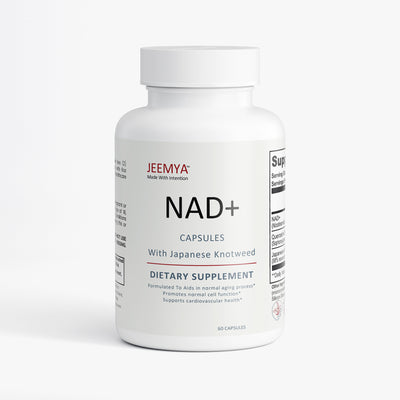
The NAD+ Gap: NAD+ — the coenzyme required for over 500 metabolic reactions — declines 40–60% between ages 40 and 60. This directly impairs energy production, DNA repair, sirtuin activation, and mitochondrial function. Jeemya NAD+ targets this foundational depletion.
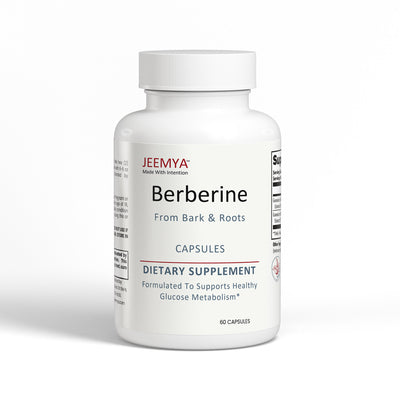
The Metabolic Switch: Insulin sensitivity deteriorates progressively after 50, making blood sugar management and fat storage harder to control. Jeemya Berberine activates AMPK — your cells' metabolic master switch — supporting glucose metabolism and fat oxidation where it matters most.
Every Jeemya product is third-party tested with a full Certificate of Analysis, manufactured in the USA, and formulated at clinically relevant doses. No proprietary blend opacity. No pixie-dusted ingredients. Just targeted biochemistry for the specific challenges of metabolic health after 50.
Frequently Asked Questions
Why does metabolism slow down after age 50?
Multiple factors converge: progressive loss of lean muscle mass (3–8% per decade) reduces resting calorie burn; hormone shifts — estrogen decline in women and testosterone reduction in men — alter fat distribution and reduce metabolic efficiency; mitochondria become fewer and less efficient (20% fewer, 50% less efficient at oxygen utilization); physical activity and NEAT naturally decline; and NAD+ levels drop 40–60%, impairing hundreds of metabolic enzymatic reactions. These factors compound, with each making the others worse.
Can you boost your metabolism after 50?
Yes — measurably and meaningfully. Research shows that resistance training can add lean muscle mass even in older adults in their 60s and 70s, directly increasing resting metabolic rate. Combining strength training with adequate dietary protein (1.2–1.6g/kg/day), proper hydration, quality sleep, and targeted supplementation to address age-specific nutrient gaps (NAD+, B-vitamins, magnesium) can offset and partially reverse the metabolic decline associated with aging. The key is consistency over months, not perfection over days.
What foods help boost metabolism after 50?
Foods that support metabolic function after 50 include: high-protein sources (lean meats, fish, eggs, legumes) for their thermic effect and muscle preservation; whole grains for sustained energy and B-vitamin content; fruits and vegetables rich in polyphenols that reduce inflammation; foods high in dietary fiber (25–35g/day) for blood sugar stability and gut health; fatty fish (omega-3s for insulin sensitivity); and foods rich in metabolism-supporting nutrients like magnesium (nuts, seeds, dark leafy greens), vitamin D (fatty fish, fortified foods), and B12 (animal proteins, nutritional yeast).
Does building muscle increase metabolism after 50?
Absolutely — this is the most well-established metabolic intervention for older adults. Muscle tissue burns approximately 6 calories per pound per day at rest, compared to 2 calories per pound for fat. More importantly, resistance training improves insulin sensitivity, enhances mitochondrial function, supports hormone balance, and generates post-exercise metabolic elevation (EPOC) that keeps calorie burn elevated for 24–72 hours after training. Studies confirm that even twice-weekly weights / resistance bands training produces measurable increases in lean mass and resting metabolic rate in adults over 50.
How much protein should adults over 50 eat?
Current research recommends 1.2–1.6g of dietary protein per kg of bodyweight daily for older adults — significantly more than the general RDA of 0.8g/kg. For a 70kg (154 lb) individual, that's 84–112g protein per day. This higher intake is necessary because of "anabolic resistance" — after 50, your muscles require a higher protein stimulus to achieve the same muscle-building response as younger adults. Distribute intake across 3–4 meals (25–40g per serving), prioritize leucine-rich sources (whey, eggs, meat), and ensure protein intake immediately after resistance training for optimal muscle protein synthesis.
Related Reading
- How to Boost Metabolism After 40 — Understanding the metabolic shifts that begin in your 40s and how to address them early.
- How to Boost Metabolism After 60 — Age-specific strategies for the decade when metabolic preservation becomes critical.
- How to Boost Metabolism After Menopause — Targeted approaches for women navigating hormonal weight gain and estrogen decline.
- How to Boost Your Metabolism Without Exercise — Non-exercise strategies for those with mobility limitations or injuries.
- What Supplements Boost Metabolism? — Evidence-based supplement options ranked by mechanism and research quality.
This article is for educational purposes only and is not intended to diagnose, treat, cure, or prevent any disease. Consult your healthcare provider before starting any new exercise or supplement regimen, especially if you have existing health conditions.


0 comments