

Most conversations about metabolism eventually circle back to one word: exercise. And while physical activity undeniably plays a role in energy expenditure, it's far from the only lever you can pull. The truth is, how to boost your metabolism without exercise is not only possible — it's where the majority of your metabolic potential actually lives.
Here's what most people don't realize: your basal metabolic rate (BMR) — the energy your body burns simply to keep you alive — accounts for approximately 60–75% of your total daily energy expenditure. The thermic effect of food adds another 10%. Physical activity, including structured exercise, typically contributes only 15–30%. That means the vast majority of your metabolic output happens while you're doing absolutely nothing that resembles a workout.
This matters because it reframes the question entirely. Instead of asking "how do I burn more calories at the gym?" the more impactful question becomes: how do I optimize the metabolic machinery that runs 24 hours a day, regardless of whether I exercise?
No gimmicks. No "one weird trick." Just biochemistry you can actually use.
How to Boost Your Metabolism Without Exercise?
That's what this article addresses. Whether you're recovering from an injury, managing a chronic condition, limited by time constraints, or simply looking to complement your existing routine — these 12 strategies target the biological systems that govern your resting metabolic rate at the cellular level:
1. Increase Your Protein Intake
Of all the macronutrients, protein demands the most energy to digest, absorb, and process. This phenomenon — called the thermic effect of food (TEF) — means that simply eating protein forces your body to burn more calories during digestion compared to fats or carbohydrates.
The numbers are significant. Research indicates that protein increases metabolic rate by 15–30% during digestion, compared to 5–10% for carbohydrates and 0–3% for fats. In practical terms, if you consume 500 calories from protein, your body expends 75–150 of those calories just processing it. The same 500 calories from fat? Your body spends less than 15 calories on digestion.
But the metabolic benefits of protein extend beyond TEF. Adequate protein intake supports the preservation and growth of lean muscle mass — and muscle is significantly more metabolically active than fat tissue, even at rest. Every pound of muscle burns approximately 6 calories per day at rest, compared to roughly 2 calories per pound of fat. Over time, this difference compounds.
What this means practically:
- Aim for 1.2–1.6 grams of protein per kilogram of body weight daily (higher end if you're over 50 or looking to preserve muscle mass)
- Distribute protein intake across meals — research suggests 25–30 grams per meal optimizes muscle protein synthesis
- Prioritize complete proteins: eggs, fish, poultry, legumes combined with grains, or high-quality protein supplements
- Don't skip breakfast protein — how to boost metabolism in the morning often comes down to this single change
For adults over age 50, protein becomes even more critical. Age-related muscle loss (sarcopenia) accelerates metabolic decline, and studies show that older adults require higher protein intakes to stimulate the same muscle-building response that younger individuals achieve with less.
2. Stay Properly Hydrated
Water isn't just a passive medium for biological reactions — it's an active participant in metabolic processes. Research published in the Journal of Clinical Endocrinology & Metabolism found that drinking 500 mL of water increased metabolic rate by approximately 30% within 10 minutes, with the effect peaking at 30–40 minutes and lasting about an hour.
The mechanism? Your body expends energy to heat cold water to body temperature (a process called water-induced thermogenesis), and water is required as a substrate for lipolysis — the process of breaking down fat for energy. Without adequate hydration, these metabolic pathways slow.
Understanding does water boost metabolism goes beyond just drinking more. It's about consistency. Chronic mild dehydration — common in people who rely on thirst signals alone — can reduce metabolic rate by 2–3%. That sounds small, but over weeks and months, it translates to meaningful differences in energy expenditure.
Hydration strategies for metabolic support:
- Drink 500 mL of water first thing in the morning (after 7–8 hours without intake, your body is in a mild dehydration state)
- Aim for 2.5–3.5 liters daily, adjusted for body weight, climate, and activity
- Cold water provides a slight additional thermogenic benefit — though the difference is modest (about 8 extra calories per glass)
- Don't count caffeinated beverages as your sole fluid source — while they contribute to total intake, their diuretic effect partially offsets hydration benefits at high doses
Dehydration also impairs cellular energy production at the mitochondrial level. When cells lack adequate water, enzymatic reactions slow, nutrient transport becomes less efficient, and waste products accumulate — all of which reduce the rate at which your cells convert fuel into ATP (usable energy).
3. Prioritize High-Quality Sleep
Sleep is arguably the most undervalued metabolic intervention available. Research from the University of Chicago demonstrated that just four days of sleep restriction (4.5 hours per night) reduced insulin sensitivity by 30% and altered the hormonal profile in ways that slow fat metabolism significantly.
Here's what happens metabolically when you don't sleep enough:
- Leptin drops — the hormone that signals satiety decreases, making you hungrier
- Ghrelin rises — the hunger hormone increases, driving cravings for calorie-dense foods
- Cortisol elevates — chronic cortisol promotes visceral fat storage and insulin resistance
- Growth hormone declines — this hormone, released primarily during deep sleep, supports muscle maintenance and fat metabolism
- Insulin sensitivity decreases — your cells become less responsive to insulin, shifting your metabolism toward fat storage rather than fat oxidation
A study in the Annals of Internal Medicine found that sleep-restricted individuals lost 55% less fat and 60% more lean body mass compared to those getting adequate sleep — even on identical calorie intakes. Sleep doesn't just affect how much you eat; it fundamentally alters what your body does with the calories it receives.
Sleep optimization for metabolism:
- Target 7–9 hours consistently (not just on weekends)
- Maintain a fixed sleep-wake schedule — your circadian rhythm directly regulates metabolic hormone release
- Keep your bedroom cool (65–68°F / 18–20°C) — cooler temperatures may activate brown adipose tissue, increasing calorie burn
- Avoid eating large meals within 2–3 hours of bedtime — late-night eating disrupts circadian metabolic rhythms
- Limit blue light exposure after sunset — it suppresses melatonin and delays sleep onset
4. Manage Chronic Stress
The relationship between stress and metabolism is bidirectional and often misunderstood. Acute, short-term stress can temporarily increase metabolic rate (the "fight or flight" response burns energy). But chronic stress — the kind that persists for weeks, months, or years — systematically dismantles metabolic efficiency.
The primary culprit is cortisol. When cortisol remains chronically elevated:
- Insulin resistance develops — cells become less responsive to insulin, leading to higher blood sugar and increased fat storage, particularly visceral fat (the metabolically dangerous kind around organs)
- Muscle protein breakdown accelerates — cortisol is catabolic to muscle tissue, reducing your metabolically active mass over time
- Thyroid function suppresses — chronic stress reduces the conversion of T4 to the active T3 thyroid hormone, directly slowing basal metabolic rate
- Inflammation increases — systemic inflammation impairs mitochondrial function, reducing cellular energy production
Research shows that individuals with chronically elevated cortisol have significantly higher BMI (Body Mass Index) on average, even when controlling for caloric intake and physical activity. The stress itself changes how your body partitions energy — favoring storage over expenditure.
Evidence-based stress management for metabolic health:
- Meditation/mindfulness — just 10 minutes daily has been shown to reduce cortisol by 15–25% in consistent practitioners
- Deep breathing protocols — specifically, extended exhales (4 seconds in, 6–8 seconds out) activate the parasympathetic nervous system
- Nature exposure — 20 minutes in a natural setting measurably reduces cortisol levels
- Social connection — isolation elevates stress hormones; meaningful social interaction buffers them
- Boundary-setting — chronic overcommitment is a metabolic stressor most people never identify
5. Eat More Fiber-Rich Foods
Fiber is a metabolic tool hiding in plain sight. While technically indigestible by human enzymes, fiber profoundly influences metabolic rate through multiple mechanisms that most people never consider.
The thermic effect: High-fiber meals require more mechanical and chemical processing, increasing the energy cost of digestion. Research suggests that replacing refined grains with whole grains increases post-meal thermogenesis by approximately 50% — meaning you burn significantly more calories processing a fiber-rich meal compared to its refined equivalent.
The gut microbiome connection: Fiber feeds your beneficial gut bacteria. These microorganisms produce short-chain fatty acids (SCFAs) — particularly butyrate, propionate, and acetate — which directly influence metabolic rate. SCFAs enhance mitochondrial fatty acid oxidation, improve insulin sensitivity, and increase energy expenditure. A healthy, diverse microbiome supported by adequate fiber may account for meaningful differences in how many calories your body extracts from food versus how many pass through.
Blood sugar regulation: Soluble fiber slows glucose absorption, preventing the sharp insulin spikes that signal your body to store energy as fat. By maintaining more stable blood sugar, you keep your metabolism in an oxidative (fat-burning) state rather than a storage state.
When considering what are metabolism boosting foods, fiber-rich options consistently appear at the top of evidence-based lists — not because they contain magic compounds, but because they optimize the metabolic environment.
High-impact fiber sources:
- Legumes (lentils, chickpeas, black beans) — 12–16g fiber per cup
- Cruciferous vegetables (broccoli, Brussels sprouts, cauliflower)
- Whole oats — particularly effective for their beta-glucan content
- Chia seeds and flaxseeds — concentrated fiber plus omega-3s
- Berries — high fiber-to-sugar ratio compared to other fruits
Aim for 25–38 grams of fiber daily. Most adults consume less than 15 grams — meaning there's substantial metabolic potential being left on the table.
6. Drink Green Tea or Coffee in Moderation
Caffeine and catechins (particularly EGCG in green tea) are among the most studied natural calorie burners with consistent evidence supporting modest but real metabolic effects.
Caffeine's mechanism: Caffeine stimulates the central nervous system, increasing norepinephrine release. This activates hormone-sensitive lipase, promoting the breakdown of stored fat into free fatty acids for energy use. Research indicates caffeine can increase resting metabolic rate by 3–11%, with the effect being dose-dependent and more pronounced in lean individuals.
Green tea's unique advantage: Beyond caffeine, green tea contains epigallocatechin gallate (EGCG), which inhibits the enzyme that normally breaks down norepinephrine. This extends the fat-oxidizing signal, enhancing thermogenesis beyond what caffeine alone provides. A meta-analysis of 11 studies found that green tea catechins increased energy expenditure by approximately 4.7% — roughly 100 extra calories per day.
Coffee's metabolic profile: Coffee increases metabolic rate acutely and may improve fat oxidation by up to 29% in lean individuals and 10% in those with obesity. However, tolerance develops over time — chronic heavy coffee drinkers experience diminished metabolic effects compared to occasional consumers.
Important context on what does metabolism booster do in this category:
These compounds genuinely increase thermogenesis and fat oxidation. But "booster" does not mean "override." If your underlying metabolic health is compromised by poor sleep, chronic stress, or inadequate nutrition, caffeine and catechins provide a small uplift on a broken foundation rather than a meaningful intervention.
Practical guidelines:
- 2–4 cups of green tea daily provides optimal catechin exposure (~400–500mg EGCG)
- 1–3 cups of coffee daily for metabolic benefit without excess cortisol stimulation
- Avoid adding sugar — it negates the metabolic benefit
- Consume before 2 PM to avoid sleep disruption (which would cancel metabolic gains)
- Cycle intake periodically (5 days on, 2 off) to reduce tolerance development
7. Avoid Extreme Dieting
This is counterintuitive for many people, but it's one of the most important things to understand about metabolism: severely restricting calories doesn't speed up fat loss — it slows down the engine that drives it.
When you drop calories dramatically (typically below 1,200 for women or 1,500 for men), your body interprets this as a famine signal. In response, it activates a cascade of adaptive mechanisms collectively called "metabolic adaptation" or "adaptive thermogenesis":
- Basal metabolic rate drops by 15–25% — your body becomes more efficient (burns fewer calories for the same functions)
- Thyroid hormone (T3) decreases — reducing the metabolic pace of every cell in your body
- Leptin plummets — removing the satiety signal and increasing hunger dramatically
- Non-exercise activity thermogenesis (NEAT) decreases — you unconsciously fidget less, move less, gesture less, and stand less
- Muscle catabolism increases — your body breaks down metabolically active tissue for fuel
Research on participants from "The Biggest Loser" TV show revealed that contestants who lost weight through extreme caloric restriction experienced metabolic slowdowns of over 500 calories per day — and these effects persisted six years after the show ended. Their metabolisms never fully recovered.
What does metabolism boost do when you're chronically undereating? Almost nothing. You can't stimulate a system you've starved of resources. The best way to boost your metabolism often starts with eating enough.
The metabolic-friendly approach to fat loss:
- Maintain a modest caloric deficit (15–20% below maintenance, not 40–50%)
- Include regular refeed days (eating at maintenance) to prevent hormonal adaptation
- Never cut protein during a deficit — it's the last thing you should reduce
- If your weight has plateaued for more than 3 weeks on very low calories, you likely need a diet break, not further restriction
- Monitor energy, mood, and sleep quality — persistent decline in all three signals metabolic suppression
8. Support Gut Health
Your gut microbiome isn't just a digestive organ — it's a metabolic organ. The trillions of bacteria residing in your intestinal tract directly influence how many calories you extract from food, how you store fat, how you regulate blood sugar, and how efficiently your mitochondria produce energy.
Research comparing the gut bacteria of lean individuals versus those with higher BMI consistently reveals distinct microbial signatures. Lean individuals tend to have greater microbial diversity and higher populations of bacteria from the Bacteroidetes phylum, while individuals with metabolic dysfunction often show reduced diversity and an overrepresentation of Firmicutes — bacteria that are more efficient at extracting calories from food.
In one landmark study, when gut bacteria from lean mice were transplanted into obese mice, the obese mice lost weight without any change in diet or activity. The bacteria themselves altered metabolic output.
How gut bacteria influence metabolism:
- Short-chain fatty acid production — Beneficial bacteria ferment fiber into SCFAs (butyrate, propionate, acetate), which improve insulin sensitivity, increase fat oxidation, and enhance mitochondrial function
- Bile acid metabolism — Gut microbes transform bile acids into forms that activate metabolic receptors (FXR, TGR5), increasing energy expenditure
- Inflammation regulation — An unhealthy gut barrier ("leaky gut") allows endotoxins into the bloodstream, triggering low-grade inflammation that impairs metabolic function
- Hormone signaling — Gut bacteria influence the production of GLP-1 and PYY, hormones that regulate appetite and glucose metabolism
Actionable gut health strategies:
- Eat 30+ different plant foods per week (diversity of fiber feeds diversity of bacteria)
- Include fermented foods daily: yogurt, kefir, sauerkraut, kimchi, miso
- Minimize artificial sweeteners — research suggests they alter gut microbial composition unfavorably
- Reduce unnecessary antibiotic use (when medically appropriate to do so)
- Consider a quality probiotic with strains specifically studied for metabolic health (Lactobacillus gasseri, Akkermansia muciniphila)
9. Include Metabolism-Supporting Nutrients
Your metabolic machinery doesn't run on willpower — it runs on specific biochemical inputs. When key vitamins and minerals are deficient, metabolic pathways slow regardless of everything else you're doing right.
Think of it this way: enzymes are the workers in your metabolic factory. But enzymes require cofactors — specific vitamins and minerals — to function. Without these cofactors, even structurally intact enzymes sit idle, unable to catalyze the reactions that produce energy.
Critical minerals for metabolic function:
- Iron — Required for oxygen transport and electron transport chain function. Iron deficiency directly reduces metabolic rate because your mitochondria cannot complete oxidative phosphorylation efficiently without adequate iron-containing cytochromes.
- Magnesium — Involved in over 300 enzymatic reactions, including ATP production. Every molecule of ATP in your body is actually bound to magnesium — without it, ATP is biologically inactive.
- Zinc — Essential for thyroid hormone production and insulin signaling. Zinc deficiency impairs T4-to-T3 conversion, effectively putting the brakes on metabolic rate.
- Selenium — Required for the deiodinase enzymes that convert inactive thyroid hormone (T4) to active T3. Without selenium, your thyroid can produce hormones all day — but your body can't activate them.
- Chromium — Enhances insulin receptor sensitivity, improving glucose metabolism and reducing the tendency toward fat storage.
Essential vitamins for metabolic health:
- B-complex vitamins — B1, B2, B3 (niacin), B5, B6, B7, B9, and B12 are all directly involved in energy metabolism. They serve as coenzymes in glycolysis, the citric acid cycle, and fatty acid oxidation. A deficiency in any single B vitamin can bottleneck entire metabolic pathways.
- Vitamin D — Research links vitamin D deficiency to insulin resistance, increased fat storage, and reduced metabolic rate. Notably, adults over age 50 are at higher risk for deficiency due to reduced skin synthesis capacity.
- Vitamin C — Required for carnitine synthesis, which transports fatty acids into mitochondria for oxidation. Without adequate vitamin C, your body's ability to burn fat for fuel is impaired.
For a deeper look at evidence-based supplementation, see our guide on what supplements boost metabolism.
Practical nutrient strategy:
- Get tested for key deficiencies (iron, vitamin D, B12, magnesium are the most common)
- Prioritize whole food sources first — supplements fill gaps, they don't replace a metabolically supportive diet
- If supplementing, choose bioavailable forms: magnesium glycinate over oxide, methylated B vitamins over synthetic, vitamin D3 over D2
10. Increase Your Daily Movement
This might seem contradictory in an article about boosting metabolism without exercise — but there's a critical distinction between structured exercise and general daily movement. The scientific term is NEAT: Non-Exercise Activity Thermogenesis — and it accounts for far more of your daily energy expenditure than most people realize.
NEAT includes everything from walking to the kitchen, fidgeting in your chair, standing while on a phone call, taking the stairs, carrying groceries, cooking dinner, and even gesturing while you talk. Research from the Mayo Clinic shows that NEAT can vary by up to 2,000 calories per day between individuals of similar size — making it potentially the largest variable in total daily energy expenditure outside of BMR.
This is what is the best way to boost your metabolism for most people: not adding a gym session, but adding movement throughout the entire day.
The sitting problem: Prolonged sedentary behavior actively suppresses metabolic rate. After just 30 minutes of uninterrupted sitting, your body reduces lipoprotein lipase activity (the enzyme that breaks down fat in the bloodstream) by 90%. Metabolic rate drops to approximately 1 calorie per minute — barely above sleeping.
Why NEAT matters more than exercise for many people:
- A 45-minute workout burns 300–500 calories. But NEAT, accumulated over 16 waking hours, can burn 500–2,000+ calories.
- Unlike exercise, NEAT doesn't trigger compensatory hunger increases in most people
- NEAT is sustainable daily — it doesn't require recovery days
- For adults over age 50 or those with joint limitations, NEAT provides metabolic benefits without injury risk
Strategies to increase NEAT:
- Stand during phone calls and meetings
- Walk for 5–10 minutes after each meal (especially dinner — this also improves glucose metabolism)
- Set a timer every 30 minutes to break up sitting
- Take stairs instead of elevators
- Park farther from entrances
- Cook meals at home (standing and moving in the kitchen burns significantly more than ordering delivery)
- Use a standing desk for part of your workday
For age-specific strategies, our article on how to boost metabolism after 40 covers how NEAT becomes increasingly important as age-related muscle loss progresses.
11. Maintain Healthy Blood Sugar Levels
Blood sugar stability isn't just a concern for diabetics — it's a fundamental metabolic lever that affects everyone. When blood sugar spikes and crashes repeatedly throughout the day, your metabolism shifts from a fat-burning state to a fat-storing state, and the hormonal consequences compound over time.
Here's the mechanism: When you eat rapidly digesting carbohydrates (white bread, sugary drinks, processed snacks), blood glucose rises sharply. Your pancreas responds by flooding the bloodstream with insulin. Insulin's primary job is to remove glucose from the blood and store it — first as glycogen in muscles and liver, then as triglycerides in fat cells.
The problem isn't one spike. It's the chronic cycle:
- Spike → Crash → Crave → Spike — This creates a metabolic rollercoaster where your body spends most of its time in storage mode rather than oxidation mode
- Progressive insulin resistance — Over time, cells become less responsive to insulin, requiring more of it to clear the same amount of glucose. This elevated insulin actively blocks fat breakdown (lipolysis), trapping stored fat in adipose tissue.
- Increased cortisol — Blood sugar crashes trigger cortisol release (a stress response), which promotes visceral fat storage and further insulin resistance
Research published in Cell Metabolism found that individuals with stable glucose profiles burned significantly more fat at rest than those with volatile glucose patterns — even at identical caloric intakes.
Blood sugar optimization strategies:
- Eat protein and fat before carbohydrates — Studies show that consuming protein/fat 10–15 minutes before carbs reduces the glycemic spike by up to 40%
- Add vinegar to meals — 1–2 tablespoons of apple cider vinegar before a carbohydrate-rich meal has been shown to reduce post-meal glucose by 20–30%
- Walk after meals — Even 10 minutes of light walking post-meal significantly blunts glucose spikes
- Choose low-glycemic carbohydrates — Sweet potatoes over white potatoes, steel-cut oats over instant, whole fruit over juice
- Don't eat carbohydrates alone — Always pair with protein, fat, or fiber to slow absorption
- Front-load calories earlier in the day — Insulin sensitivity is highest in the morning and declines throughout the day; your body handles carbohydrates better earlier
12. Support Cellular Energy Production: Understanding Mitochondria and Metabolism
Everything in this article ultimately comes back to one place: your mitochondria. These organelles — often called the "powerhouses of the cell" — are where the actual metabolic magic happens. They convert the nutrients you eat into ATP, the universal energy currency your body uses for every biological process.
When mitochondria are healthy and abundant, you metabolize efficiently. When they're damaged, depleted, or dysfunctional, your metabolic rate drops — regardless of diet, sleep, or stress management.
Here's what makes this critical: mitochondrial function naturally declines with age. Research shows that mitochondrial efficiency decreases approximately 8% per decade after age 30. By age 50, many adults have significantly compromised mitochondrial capacity — which directly translates to lower metabolic rate, reduced energy, and increased fat storage.
What damages mitochondria:
- Oxidative stress (free radical accumulation)
- Chronic inflammation
- NAD+ depletion (NAD+ is required for mitochondrial electron transport)
- Sedentary behavior (mitochondria respond to energy demand — without demand, they atrophy)
- Excessive alcohol consumption
- Environmental toxins
- Nutrient deficiencies (CoQ10, B vitamins, iron, magnesium)
What supports mitochondrial health:
- NAD+ precursors — NAD+ (nicotinamide adenine dinucleotide) is arguably the single most important molecule for mitochondrial energy production. It's required for the electron transport chain and serves as a substrate for sirtuins — enzymes that repair mitochondrial DNA and regulate mitochondrial biogenesis (the creation of new mitochondria). NAD+ levels decline by approximately 50% between ages 40 and 60, making supplementation with precursors like NMN or NR a research-supported strategy.
- CoQ10 — Functions as an electron carrier in the mitochondrial membrane. Without adequate CoQ10, the electron transport chain literally cannot pass electrons efficiently, reducing ATP output.
- Alpha-lipoic acid — A potent mitochondrial antioxidant that regenerates other antioxidants (including vitamins C and E) and supports glucose uptake into cells.
- PQQ (Pyrroloquinoline quinone) — One of the few compounds shown to stimulate mitochondrial biogenesis — the creation of entirely new mitochondria.
- Adequate protein and amino acids — Mitochondria require constant structural maintenance; amino acids provide the raw materials.
Understanding what does metabolism boost do at the deepest level means understanding that metabolism is mitochondrial function. Everything else — protein, sleep, hydration, stress management — ultimately works by creating conditions where mitochondria can do their job optimally.
Take the Next Step Toward Better Metabolic Health with Jeemya
If this article makes one thing clear, it's that metabolism isn't a single switch to flip — it's a system to support. And that support starts at the cellular level.
At Jeemya, we develop scientifically formulated supplements designed to address the biochemical foundations of metabolic health. Our approach isn't about stimulants or quick fixes. It's about giving your cells — specifically your mitochondria — the raw materials they need to produce energy efficiently.
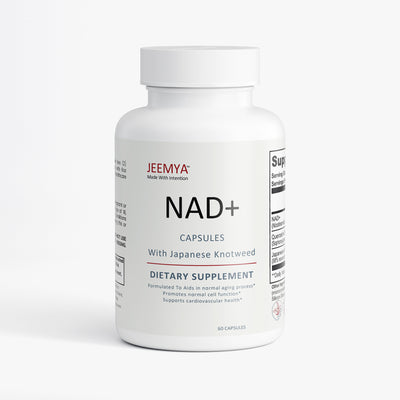
Our NAD+ supplement provides direct precursor support for the coenzyme that drives over 500 metabolic reactions in your body. As NAD+ levels naturally decline with age, targeted supplementation may help maintain the cellular energy production that underpins healthy metabolic function.
Our metabolism-supporting formulations are built on the same principles discussed throughout this article: bioavailable vitamins and minerals that serve as essential cofactors for metabolic enzymes, antioxidants that protect mitochondrial integrity, and compounds that support the gut-metabolism connection.
Every product is:
- Manufactured in the USA under strict GMP standards
- Third-party tested for purity and potency
- Free of proprietary blends — every ingredient and dose is transparent
- Formulated based on published research, not marketing trends
Metabolic health isn't built overnight. But with the right foundations — nutrition, sleep, stress management, and cellular support — your body has a remarkable capacity to optimize itself. We're here to support that process with precision, transparency, and science.
Frequently Asked Questions
Can you boost your metabolism without exercise?
Yes — and the science strongly supports it. Your basal metabolic rate (BMR) accounts for 60–75% of total daily energy expenditure, and it's influenced by factors entirely separate from structured exercise: sleep quality, protein intake, hydration status, stress levels, gut health, and cellular nutrient availability. While exercise certainly contributes to metabolic health, it is not the only — or even the primary — lever available. The strategies in this article target the biological systems that govern how to boost your metabolism without exercise by optimizing resting energy expenditure at the cellular level.
What foods help boost metabolism naturally?
The most metabolically supportive foods share common characteristics: they have a high thermic effect (protein-rich foods), support gut microbial diversity (fiber-rich plants), stabilize blood sugar (low-glycemic whole foods), and provide essential metabolic cofactors (nutrient-dense vegetables, seafood, and legumes). Specifically, lean proteins, cruciferous vegetables, legumes, whole grains, green tea, chili peppers, and fermented foods consistently appear in metabolic research. For a comprehensive breakdown, see our full guide on what are metabolism boosting foods.
Does drinking water increase metabolism?
Research says yes. A study in the Journal of Clinical Endocrinology & Metabolism found that drinking 500 mL of water increased resting metabolic rate by approximately 30% for up to 60 minutes. The effect is attributed to water-induced thermogenesis (energy spent heating water to body temperature) and water's role as a required substrate in lipolysis (fat breakdown). Chronic mild dehydration may suppress metabolic rate by 2–3%. For detailed hydration strategies, read our article on does water boost metabolism.
What vitamins and minerals support metabolism?
The most critical include: B-complex vitamins (coenzymes for energy metabolism pathways), vitamin D (insulin sensitivity and metabolic regulation), iron (oxygen transport and mitochondrial function), magnesium (ATP activation and 300+ enzymatic reactions), zinc (thyroid hormone production), selenium (thyroid hormone activation), and chromium (insulin receptor sensitivity). Deficiency in any of these can bottleneck metabolic rate regardless of other lifestyle factors. Testing for common deficiencies — particularly vitamin D, B12, iron, and magnesium — is a practical first step.
Can NAD+ supplements support healthy metabolism?
Emerging research suggests they can. NAD+ (nicotinamide adenine dinucleotide) is a coenzyme required for over 500 metabolic reactions, including the mitochondrial electron transport chain — the final step where your cells actually produce ATP (energy). NAD+ levels decline significantly with age (approximately 50% reduction between ages 40–60), correlating with reduced metabolic efficiency, lower energy levels, and increased fat storage. Supplementation with NAD+ precursors (NMN or NR) has shown promise in human studies for improving mitochondrial function, insulin sensitivity, and markers of metabolic health. While research is ongoing, the biochemical rationale is strong — and NAD+ support is increasingly recognized as a foundational strategy for maintaining metabolic health, particularly for how to boost metabolism after 40 and beyond.



0 comments