

You've probably seen berberine trending on social media. Maybe someone called it a miracle compound. Maybe you scrolled past a bold claim that felt too good to be true.
Here's what most of those posts don't tell you: berberine has been used in traditional medicine for over 2,500 years, and it's one of the most extensively studied natural compounds in modern biomedical literature, with over 5,000 published research papers examining its mechanisms, safety, and effects. That's not a trend. That's a body of evidence.
In this article, we'll explain exactly what berberine is, where it comes from, how it works at the cellular level, what the clinical research actually demonstrates, and who should exercise caution before using it, no hype, no exaggerated claims, just clearly explained science.
What Is Berberine?
Berberine is a bioactive alkaloid, a nitrogen-containing compound naturally produced by several plant families. It's found in the roots, rhizomes, stems, and bark of plants including:
- Berberis vulgaris (barberry)
- Berberis aristata (Indian barberry / tree turmeric)
- Hydrastis canadensis (goldenseal)
- Coptis chinensis (Chinese goldthread)
- Mahonia aquifolium (Oregon grape)
The compound has a distinctive bright yellow color, it was historically used as a natural dye before its medicinal properties were documented. In traditional Chinese medicine (TCM) and Ayurveda, berberine-containing plants have been used for centuries to address digestive concerns, support healthy inflammatory responses, and promote general vitality.
What sets berberine apart from many traditional remedies is this: modern pharmacological research has confirmed and expanded upon many of the traditional use cases, identifying specific molecular pathways through which berberine operates.
How Berberine Works: The AMPK Pathway
To understand berberine's effects, you need to understand one key cellular mechanism: AMPK activation.
AMPK (adenosine monophosphate-activated protein kinase) is an enzyme that functions as a master regulator of cellular energy balance. Sometimes called the body's "metabolic master switch," AMPK is activated when cells detect low energy levels and need to restore balance.
When AMPK is activated, it triggers a cascade of downstream effects:
- Increased glucose uptake into cells
- Enhanced fatty acid oxidation (the process of breaking down fats for energy)
- Reduced lipid synthesis (less production of new fat molecules)
- Improved insulin sensitivity at the cellular receptor level
- Support for mitochondrial function and cellular energy production
Berberine has been demonstrated to activate AMPK in multiple tissue types, including liver, muscle, and adipose (fat) tissue. A landmark 2006 study published in Diabetes identified AMPK activation as a primary mechanism by which berberine exerts its metabolic effects (Lee et al., 2006).
This is significant because AMPK activation is also the pathway associated with exercise, caloric restriction, and certain pharmaceutical interventions placing berberine in a unique category of natural compounds with clinically relevant metabolic mechanisms.
Beyond AMPK: Other Documented Mechanisms
While AMPK activation is berberine's most studied pathway, it's not the only one. Research has identified several additional mechanisms:
|
Mechanism |
What It Does |
Research Context |
|
AMPK activation |
Regulates cellular energy metabolism |
Most extensively studied pathway |
|
Gut microbiome modulation |
Alters composition of intestinal bacteria |
Emerging area — berberine increases short-chain fatty acid-producing bacteria |
|
PCSK9 regulation |
Involved in cholesterol receptor recycling |
Studied in the context of lipid metabolism |
|
MAPK pathway modulation |
Supports healthy inflammatory response |
In vitro and in vivo evidence |
|
Intestinal absorption effects |
May slow carbohydrate absorption in the gut |
Contributes to post-meal blood sugar management |
|
GLP-1 signaling support |
May support incretin hormone pathways |
Early-stage research |
This multi-pathway activity is what makes berberine so widely studied — it doesn't operate through a single mechanism, but through a network of metabolic effects that intersect with several aspects of metabolic health.
What Does the Clinical Research Show?
Berberine has been evaluated in numerous human clinical trials, primarily focusing on three areas:
Blood Sugar Levels and Glucose Metabolism
A widely cited 2008 randomized controlled trial published in Metabolism compared berberine (500 mg, 3x daily) to metformin in newly diagnosed type 2 diabetes patients. The study found that berberine produced comparable reductions in hemoglobin A1c, fasting blood glucose, and post-meal glucose levels over a 3-month period (Yin et al., 2008).
A 2015 meta-analysis in the Journal of Ethnopharmacology reviewed 27 clinical trials involving over 2,500 participants and concluded that berberine supplementation was associated with statistically significant improvements in fasting blood sugar levels, HbA1c, and lipid markers (Lan et al., 2015).
It is important to note that these trials were conducted in clinical populations, not healthy individuals with normal blood sugar levels. Berberine's effects on glucose levels are most studied in the context of already-impaired glucose metabolism. Healthy individuals with blood sugar already within the normal range should consult a healthcare provider before using berberine to discuss whether supplementation is appropriate for their specific goals.
Lipid Metabolism
Multiple clinical trials have demonstrated berberine's effects on cholesterol and triglyceride levels. A 2004 study in Nature Medicine found that berberine upregulated LDL receptor expression in the liver through a mechanism distinct from statins, reducing LDL cholesterol in hypercholesterolemic patients (Kong et al., 2004).
Cardiovascular Support
Research published in the American Journal of Cardiology demonstrated berberine's supportive effects on cardiac function, with improvements observed in markers of cardiovascular health when combined with conventional approaches (Zeng et al., 2003).
How Can Berberine Be Beneficial?
Source: Original article + grounded search (berberine safety and benefits, 2026)
Based on the existing body of clinical evidence, berberine's documented mechanisms offer several areas of potential metabolic support. These are areas where research has demonstrated measurable activity — not promises of treatment or cure.
Metabolic Health Support
The most extensively researched benefit area. Through AMPK activation, berberine supports cellular glucose uptake and insulin sensitivity at the receptor level. For adults whose primary concern is maintaining blood sugar levels that are already within the normal blood sugar levels range, berberine is frequently explored as part of a broader lifestyle and nutritional approach alongside diet and exercise, not as a replacement for them.
Lipid Profile Support
Through its PCSK9-modulating and LDL receptor-upregulating activity, berberine has demonstrated effects on cholesterol and triglyceride markers in multiple trials. The mechanism here is structurally distinct from how statins operate an important point for individuals and clinicians evaluating options.
Gut Microbiome Modulation
Emerging research identifies berberine as a modulator of intestinal bacterial composition, with evidence suggesting it increases the population of short-chain fatty acid-producing bacteria. This gut-metabolism connection is an active area of investigation and adds a dimension to berberine's systemic effects beyond direct AMPK signaling.
Inflammatory Pathway Support
Through MAPK pathway modulation, berberine has demonstrated activity related to healthy inflammatory response regulation in both in vitro and in vivo studies. Chronic low-grade inflammation is a recognized component of metabolic dysregulation, making this pathway clinically relevant to berberine's broader research profile.
Mitochondrial and Cellular Energy Support
AMPK activation downstream promotes mitochondrial biogenesis and efficiency processes that support cellular energy production. This positions berberine within the same mechanistic conversation as NAD+ and other compounds studied in the context of metabolic aging.
What Berberine Is Not
With the level of research behind berberine, it's tempting to overstate its effects. We won't do that. Here's what the science requires us to say clearly:
- Berberine is not a drug. It is classified as a dietary supplement under DSHEA and has not been approved by the FDA to diagnose, treat, cure, or prevent any disease.
- Berberine is not a replacement for prescribed medication. If you take metformin, statins, or any other prescribed medication, do not discontinue or modify your regimen based on supplement information. Always consult your healthcare provider.
- Clinical results in studies don't guarantee identical results for every individual. Study populations, dosages, duration, and individual health factors all influence outcomes.
- Berberine can interact with certain medications. This includes drugs metabolized by CYP enzymes and medications affecting blood sugar levels. See the safety sections below.
Our position is straightforward: the research on berberine is genuinely compelling, and you deserve to hear it explained accurately, not inflated.
Safety and Side Effects
Understanding berberine's safety profile is not a footnote it's a prerequisite for any honest evaluation of this compound. Here is what the current evidence shows.
Common Side Effects
The most frequently reported side effects of berberine are gastrointestinal in nature, affecting approximately 20–30% of users, particularly during the first weeks of supplementation. These include:
- Diarrhea
- Constipation
- Gas and bloating
- Stomach cramping or pain
- Nausea
These digestive effects are generally mild, dose-related, and transient, they often reduce as the body adapts, and are most effectively managed by taking berberine with food and starting at a lower dose before progressing to a full berberine dosage per day.
Less Common but More Serious Side Effects
Less commonly, berberine has been associated with:
- Hypoglycemia (low blood sugar): Berberine's activity on glucose levels means that individuals already managing their blood sugar with medication are at heightened risk of their blood sugar dropping too low. Symptoms of hypoglycemia include dizziness, sweating, confusion, and rapid heartbeat. Monitoring blood sugar levels is important for anyone using berberine alongside glucose-lowering agents.
- Low blood pressure: Berberine can independently lower blood pressure, which may be problematic in combination with antihypertensive medications.
- Liver enzyme elevation: Rare cases of elevated liver enzymes have been observed. Individuals with existing liver conditions should exercise particular caution.
- Heart rhythm changes: Some evidence suggests berberine may influence cardiac electrophysiology. Those with heart rhythm disorders should consult a cardiologist before use.
Regulatory Context: The EFSA 2026 Update
In January 2026, the European Food Safety Authority (EFSA) published a draft opinion raising concerns about berberine's safety, citing evidence of genotoxicity in vitro and noting an inability to establish a definitively safe intake level. This regulatory development is relevant context for consumers and practitioners evaluating berberine and we disclose it here because transparency is a non-negotiable part of how Jeemya communicates.
It is important to understand what this means and what it does not mean:
- EFSA's concern is based primarily on in vitro (cell culture) genotoxicity data not human clinical evidence of harm at supplemental doses.
- The body of human clinical trial data (including the Yin et al. 2008 and Lan et al. 2015 studies referenced in this article) has not demonstrated genotoxic effects in participants at standard dosages.
- This is an evolving regulatory conversation, not a concluded finding of harm.
Our position: The EFSA development is a reason for informed caution and ongoing monitoring not a reason to dismiss the existing human clinical evidence. We present both because that is what scientific integrity requires. We will update this article as the regulatory position develops.
On Long-Term Use
Clinical trials demonstrating berberine's effects have primarily run for 8–12 weeks. Long-term safety data beyond this window is limited. Some sources indicate no evidence of organ toxicity at standard doses over shorter periods; others recommend caution given the absence of robust long-term human data. Periodic check-ins with a healthcare provider are recommended for any extended supplementation regimen.
Who Should Avoid Berberine?
Berberine has a meaningful drug interaction profile and is contraindicated for specific populations. This section is not a list of fine print it is essential reading for anyone considering supplementation.
Pregnant or Breastfeeding Women
Berberine can cross the placenta and has been associated with uterine contractions that may be harmful to the developing fetus. It can also pass into breast milk, where elevated bilirubin levels in infants may raise the risk of kernicterus — a form of brain damage. Berberine should not be used during pregnancy or breastfeeding.
Infants and Young Children
Berberine should never be given to newborns or infants due to the kernicterus risk outlined above. Safety data for older children is insufficient to support use.
Individuals with Diabetes or on Glucose-Lowering Medications
Because berberine independently influences blood sugar levels, combining it with insulin, metformin, sulfonylureas, or other glucose-lowering agents creates a significant risk of hypoglycemia. Individuals managing their glucose levels with prescription medications should not add berberine without direct medical supervision and a plan to monitor blood sugar levels closely.
Individuals on Blood Thinners
Berberine may enhance the effects of anticoagulants such as warfarin, increasing bleeding risk. Do not combine with blood thinners without medical supervision.
Individuals on Blood Pressure Medications
Berberine can independently lower blood pressure. Combined with calcium channel blockers or other antihypertensives, this effect may compound to dangerous levels and berberine may also increase the concentration of these drugs in the bloodstream by affecting liver enzyme metabolism.
Individuals on Immunosuppressants
Berberine can raise blood levels of immunosuppressant drugs like cyclosporine, increasing the risk of toxicity. This interaction is potentially serious and constitutes a contraindication for organ transplant patients and others on immunosuppressive therapy.
Individuals on Statins
Berberine affects the liver enzymes (specifically CYP2D6, CYP3A4, and CYP2C9) responsible for metabolizing statins, potentially altering their blood concentration. This may increase the risk of statin-associated muscle damage (myopathy). Consult your prescribing physician before combining berberine with statin therapy.
Individuals with Liver or Kidney Disease
Berberine is metabolized by the liver and eliminated by the kidneys. Pre-existing impairment in either organ may alter the rate at which berberine is cleared from the body, increasing the risk of accumulation and side effects. Rare cases of liver enzyme elevation have been observed; those with existing liver conditions should not use berberine without medical guidance.
Individuals with Heart Rhythm Disorders
Evidence suggests berberine may influence cardiac electrical activity. Those with diagnosed arrhythmias, or those on anti-arrhythmic medications such as digoxin, should consult a cardiologist before considering berberine.
Individuals Scheduled for Surgery
Berberine's effects on blood sugar levels and blood pressure create surgical risk if not discontinued in advance. Inform your surgical team and follow their guidance on timing.
Individuals with Gastrointestinal Conditions
Those with IBS, Crohn's disease, ulcerative colitis, or significant gastrointestinal sensitivity may experience exacerbated digestive symptoms. The GI side effect profile of berberine (bloating, cramping, diarrhea) is most likely to be problematic in this population.
Who Is Berberine Research Most Relevant For?
Based on the existing body of clinical evidence, berberine supplementation is most commonly explored by:
- Adults interested in metabolic health support particularly those focused on maintaining blood sugar levels already within normal blood sugar levels range as part of a proactive lifestyle approach
- Individuals pursuing cardiovascular wellness as part of a broader strategy including diet and exercise
- Health-conscious consumers who have researched metabolic pathways (AMPK, insulin sensitivity, lipid metabolism) and want natural options to complement their routine
- People transitioning from trend-based interest to evidence-based supplementation those who heard about berberine through social media but now want the real science behind it
How Berberine Is Typically Taken
Berberine is most commonly available in capsule or tablet form, using Berberine HCl (hydrochloride) the most studied salt form. Key considerations for berberine dosage per day:
- Standard clinical dosage in research: 500 mg, taken 2–3 times per day with meals (total: 1,000–1,500 mg/day)
- Why with meals: Berberine's effects on blood sugar levels are most pronounced in the postprandial (post-meal) window. Taking it with food also meaningfully reduces the likelihood of GI discomfort.
- Consistency matters: Most clinical trials showing significant results ran for 8–12+ weeks. Berberine is not an acute intervention it builds effects over time through consistent daily use.
- Starting approach: Many practitioners recommend beginning at a lower berberine dosage per day (e.g., 500 mg once daily) and progressing to the full research dosage over 1–2 weeks to allow the GI system to adapt.
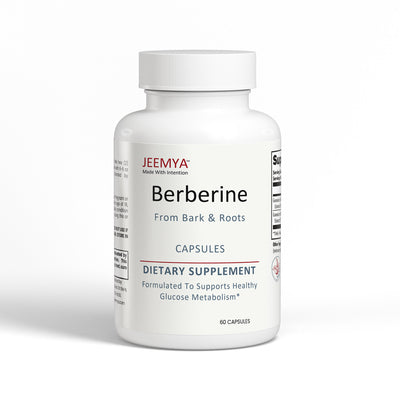
Jeemya Berberine: Science-Grade Quality, Clearly Explained
Jeemya Berberine is formulated for the consumer who has done their research and wants a product that matches their standard of evidence.
- 800 mg Granular Berberine HCl per capsule: aligned with the dosage used in clinical studies
- Lab tested for purity and potency: with Certificates of Analysis (COAs). Heavy metals, microbiology, and label claim potency: full pass.
- Manufactured in the USA
- Premium quality at an accessible price point
- No proprietary blend opacity what's on the label is what's in the capsule
We don't call berberine a miracle. We don't compare it to prescription drugs. We believe the research speaks clearly enough on its own and that you deserve a brand that trusts you with the real information, including the parts that require nuance.
"The compound has 5,000 published papers. It doesn't need a marketing gimmick."
Frequently Asked Questions
What is berberine made from?
Berberine is an alkaloid compound extracted from the roots and bark of plants like barberry (Berberis), goldenseal, and Chinese goldthread. It's a naturally occurring plant compound, not a synthetic ingredient.
Is berberine the same as goldenseal?
No. Goldenseal is a plant that contains berberine as one of its bioactive compounds. Berberine supplements isolate and concentrate the berberine alkaloid itself, typically standardized to a specific potency.
What is the recommended berberine dosage per day?
Clinical research has most commonly used 500 mg taken 2–3 times daily with meals, for a total of 1,000–1,500 mg/day. Starting at a lower dose and progressing gradually can help minimize initial gastrointestinal adjustment effects. Always consult your healthcare provider to determine the appropriate dosage for your individual health profile.
Does berberine affect blood sugar levels?
Berberine has been studied for its role in supporting glucose levels through AMPK activation and insulin sensitivity support. The most significant clinical evidence comes from studies involving individuals with impaired glucose regulation. Individuals with normal blood sugar levels should consult a healthcare provider before using berberine with the goal of influencing glucose metabolism.
How long does berberine take to work?
Most clinical trials demonstrating significant effects ran for 8–13 weeks. Berberine is not an immediate-effect supplement; it builds metabolic effects over consistent daily use.
Can I take berberine with other supplements?
Berberine can be taken alongside most general supplements. However, it has a meaningful drug interaction profile, particularly with medications that affect blood sugar levels, blood pressure, or are metabolized by CYP liver enzymes. Consult your healthcare provider if you take any prescription medications before beginning berberine.
Is berberine safe for long-term use?
Clinical trials up to 12 weeks have demonstrated a favorable safety profile at standard doses in healthy adults. Longer-term data is limited, and regulatory bodies including EFSA raised questions in early 2026 about in vitro genotoxicity data, though this has not been replicated in human clinical evidence at supplement doses. Periodic check-ins with your healthcare provider are recommended for any ongoing supplement regimen.
More Science-Backed Articles:
2- What are the ashwagandha benefits?
4- best daily immune support supplement
References
- Lee, Y.S., et al. (2006). Berberine, a natural plant product, activates AMP-activated protein kinase with beneficial metabolic effects in diabetic and insulin-resistant states. Diabetes, 55(8), 2256–2264.
- Yin, J., et al. (2008). Efficacy of berberine in patients with type 2 diabetes mellitus. Metabolism, 57(5), 712–717.
- Lan, J., et al. (2015). Meta-analysis of the effect and safety of berberine in the treatment of type 2 diabetes mellitus, hyperlipemia and hypertension. Journal of Ethnopharmacology, 161, 69–81.
- Kong, W., et al. (2004). Berberine is a novel cholesterol-lowering drug working through a unique mechanism distinct from statins. Nature Medicine, 10(12), 1344–1351.
- Zeng, X.H., et al. (2003). Efficacy and safety of berberine for congestive heart failure secondary to ischemic or idiopathic dilated cardiomyopathy. American Journal of Cardiology, 92(2), 173–176.
- European Food Safety Authority (EFSA). (January 2026). Draft opinion on the safety of berberine as a novel food ingredient. EFSA Journal (in public consultation at time of publication).
These statements have not been evaluated by the Food and Drug Administration. This product is not intended to diagnose, treat, cure, or prevent any disease. Always consult your healthcare provider before starting any new supplement regimen, particularly if you have existing health conditions, are pregnant or breastfeeding, or take prescription medications.
Jeemya Insight: True wellness begins when we honor the connection between what we consume, how we move, and the way we rest.

0 comments