
Does eating every 3 hours boost your metabolism? Current evidence does not establish that a three-hour eating schedule increases daily calorie burning when total food intake and nutrient composition are unchanged. It can be a useful way to organize meals and snacks, but that is different from a proven increase in metabolic rate.
The distinction matters because this advice often combines two separate ideas: eating regularly to meet your needs, and eating frequently to burn extra calories. The first can have practical value. The second needs evidence that a clock-based schedule does not provide on its own.
You can choose regular meals without treating three hours as a biological deadline. Here is what research shows, how to interpret common claims, and what a flexible routine might look like.
What Does Eating Every Three Hours Mean?
Usually, it means spacing eating occasions roughly three hours apart during waking hours. Those occasions might include breakfast, lunch, dinner, and snacks. It does not necessarily mean eating a full meal every time, and it should not be interpreted as a reason to wake up overnight to eat.
For example, breakfast at 7 a.m., a snack at 10 a.m., lunch at 1 p.m., another snack at 4 p.m., and dinner at 7 p.m. creates five occasions. That schedule is an illustration, not a medically recommended interval or calorie target.
The pattern also says nothing about portion size. Five small eating occasions and five substantial meals can produce very different daily intakes. Before deciding whether a schedule works, consider what you eat, how much, and why you are changing the routine.
Why Is Regular Eating Linked to Metabolism?
Eating temporarily increases energy expenditure because digestion, absorption, and nutrient processing require energy. This is called the thermic effect of food, or diet-induced thermogenesis. The response is influenced by the amount and composition of food. [1]
The common claim goes further: if eating triggers this response, eating more often must produce more calorie burning. That conclusion does not follow automatically. Dividing the same food into smaller portions changes the timing of digestion, but it does not necessarily increase the daily energy used to process it.
A study needs to measure expenditure across an appropriate period to answer that question. Counting how many times you ate, or noticing a temporary sensation after a meal, cannot establish that your metabolism increased.
In discussions of cellular metabolism, remember that cells continue using energy between meals and during sleep. Your body does not wait for the next snack to restart essential functions. A digestive response is one component of energy expenditure, not an on-off switch for metabolism.
What Does Research Say About Frequent Meals?
A randomized crossover study compared three and six daily meals in 15 lean adults. Researchers matched calories and macronutrients and measured participants in a whole-room calorimeter. They found no significant difference in 24-hour energy expenditure or fat oxidation between the patterns. [2]
This provides direct evidence against assuming that more eating occasions automatically burn more calories. However, it was a small, short-term comparison. It did not test every possible three-hour schedule or establish long-term outcomes for all populations.
That limitation also matters when asking does eating 6 times a day boost metabolism. Six occasions describe a count; three-hour spacing describes an interval. Neither should be treated as an independently proven metabolic advantage.
The evidence supports a measured conclusion: there is no convincing reason to recommend a three-hour rule specifically to raise daily calorie expenditure. People can still choose it for convenience, comfort, or individualized nutrition goals.
Does Regular Eating Help With Hunger and Energy?
A predictable routine may help you avoid accidentally missing meals or arriving at an inconvenient time without food. That is a practical reason to plan ahead, particularly when work or family commitments make eating difficult.
UC San Diego's Center for Healthy Eating and Activity Research discusses roughly three- to four-hour spacing as a way to structure eating and support day-to-day energy and hunger management. Its guidance should not be treated as a controlled demonstration of greater daily calorie burning. [7]
Nor should an afternoon slump automatically be diagnosed as low blood sugar or a slow metabolism. Sleep, workload, illness, medications, food intake, and other factors may affect how you feel. Repeated or concerning symptoms deserve assessment rather than a blanket instruction to snack more.
A useful schedule makes adequate eating easier. If following it causes you to eat beyond comfort, ignore your needs, or become anxious when a meal is delayed, reconsider how rigidly you are applying it.
Do Smaller Meals Always Keep You Fuller?
No. More frequent eating does not reliably improve appetite control for everyone. In the 2025 FRESH randomized crossover trial, 50 adults followed three- and six-meal patterns for 21 days each, with food and total energy matched. Researchers measured appetite ratings and the hormones ghrelin and peptide YY. [3]
The more frequent pattern produced smaller changes in these appetite measures. The authors suggested that frequent small meals could blunt satiety and result in less optimal appetite regulation. This was an appetite study, not proof that frequent eating damages hormones or that three meals are always best.
Personal preference therefore has a place in the decision. Some people appreciate a snack between meals. Others find that tiny portions leave them dissatisfied. A schedule should be judged partly by whether it makes eating manageable, without confusing that experience with a measured change in metabolic rate.
Is Eating Every Three Hours Better Than Every Two Hours?
If you are wondering does eating every 2 hours boost metabolism, shortening the gap does not solve the evidence problem. There is no established universal interval that maximizes calorie burning simply by increasing eating frequency.
A shorter interval also creates more opportunities to eat across the same waking day. Whether that is useful depends on the purpose, food amounts, and the person's needs. It may be inconvenient if you rarely have a break, or unnecessary if your usual meals already feel adequate.
Instead of choosing between two numbers, identify the problem. Are you missing lunch? Is dinner much later than your afternoon break? Are smaller portions part of a clinical plan? The answer may call for one targeted adjustment rather than a complete timetable.
What Matters When Comparing Eating Patterns?
Meal frequency is only one feature of a diet. A change in schedule may also change portions, food choices, the daily eating window, and total intake. Those differences make it difficult to attribute a result to timing alone.
|
Feature |
Useful comparison |
What to avoid assuming |
|
Frequency |
Number of eating occasions. |
More occasions mean more calories burned. |
|
Spacing |
Time between occasions. |
Three hours is a universal biological deadline. |
|
Total intake |
Same food redistributed or extra food added. |
Timing explains changes when intake also changed. |
|
Outcome |
Expenditure, appetite, or weight. |
Improved comfort proves faster metabolism. |
For example, someone might start eating regularly and also prepare lunch instead of skipping it. If afternoons become more manageable, that is a useful result. It does not isolate three-hour spacing as the cause, and it does not prove that resting metabolism increased.
This is why controlled comparisons and everyday experience answer different questions. Research helps evaluate mechanisms and average effects; your circumstances help determine whether a routine is practical.
Can Three-Hour Eating Help With Weight Management?
It can be part of a workable plan, but it does not guarantee weight loss. A planned snack might help someone manage an unusually long gap. The same snack might simply add to another person's daily intake without improving satisfaction.
A 2023 systematic review and meta-analysis of randomized trials found broadly similar effects of lower and higher eating frequencies on weight change and other cardiometabolic outcomes. Evidence certainty was limited, so the findings did not establish a universally optimal frequency. [4]
An eight-week trial also found no greater weight loss from three meals plus three snacks than from three meals under the same prescribed energy restriction. This was a particular study, not proof that all patterns produce identical outcomes for every individual. [5]
The practical priority is a pattern you can sustain while meeting nutritional needs. Avoid adding food solely because you expect the digestive process to burn it off. Equally, do not use the lack of a metabolism advantage as a reason to ignore genuine hunger or abandon a medically appropriate snack.
Does This Mean Five Meals a Day Are Unnecessary?
The question does eating 5 times a day boost metabolism is related, but five occasions can still have value without increasing calorie expenditure. Three meals and two snacks may fit one person's day; three satisfying meals may fit another's.
There is no requirement to make every day identical. An early start, a long shift, a different activity schedule, or a late family dinner can change when food is convenient. A useful routine can accommodate those differences.
Keep the distinction clear: choosing five occasions for organization is a personal planning decision. Recommending five as a proven way to accelerate metabolism is a scientific claim that the evidence does not establish.
What Could a Flexible Three-Hour Schedule Look Like?
Consider the example introduced earlier: breakfast, a morning snack, lunch, an afternoon snack, and dinner. It may help someone visualize where food fits, but it should be adapted rather than treated as a universal prescription.
Breakfast could be oats with yogurt or a suitable alternative and fruit. Lunch might be a sandwich or a bowl containing grains, vegetables, and beans, chicken, or tofu. Dinner could use similarly varied foods in combinations you enjoy.
A snack could be fruit with nuts, toast with eggs, or hummus with bread or vegetables, depending on allergies, preferences, and availability. You do not need a packaged product or a special snack labeled for metabolism.
If a snack is not useful, a generally healthy adult does not need to add it solely to complete the schedule. If your meals are too small to meet your needs, reviewing portions may be more useful than repeatedly inserting tiny snacks. When you have a prescribed eating plan, make adjustments with your clinician or dietitian.
What Foods Should You Focus On?
People searching for what are metabolism boosting foods often encounter lists promising that certain ingredients will speed up calorie burning. For everyday meal planning, adequacy, variety, and satisfaction are more useful starting points than building every meal around that claim.
Protein has a higher thermic effect than carbohydrate or fat, but that does not establish a need for excessive protein or protein snacks every three hours. Processing a nutrient uses energy; the total nutritional pattern still matters. [1]
Choose foods that fit your needs, preferences, and budget. Vegetables, fruit, beans, grains, eggs, fish, dairy, and suitable alternatives can all have a place. The examples here are options for building meals, not a guaranteed metabolism-boosting menu.
It is also helpful to distinguish a practical food choice from a product claim. A convenient snack can be useful because it is available when you need it. That does not mean it raises resting metabolism or needs to be paired with a supplement.
Should You Follow Hunger Cues or a Clock?
For many people, the most practical approach combines awareness of hunger with some planning. You may know a long meeting is coming and arrange lunch beforehand. You may also discover that a scheduled snack is unnecessary on a particular day.
A clock can remind you to make time for food; it should not become proof that you must be hungry. Likewise, hunger cues are not always a sufficient guide for someone with a medical condition, difficulty eating enough, or a structured treatment plan.
Try evaluating the routine with ordinary questions: Is food accessible? Are meals comfortable? Am I regularly missing opportunities to eat? Does the plan make daily life easier? These observations can guide practical adjustments, but they cannot measure your metabolic rate.
When Is Individual Meal-Timing Advice Important?
If you take insulin or certain other diabetes medicines, skipping or delaying meals may cause low blood glucose. NIDDK recommends coordinating food intake with treatment needs. Do not change a prescribed schedule or medication plan based on a general article about meal frequency. [6]
Personalized advice is also important when you are following a nutrition treatment plan, struggling to meet nutritional needs, or receiving care for an eating disorder. Regular eating may serve an important clinical purpose even when it is not intended to increase calorie expenditure.
Persistent dizziness, shakiness, faintness, or unusual fatigue should not simply be attributed to failing the three-hour rule. Seek assessment, especially if symptoms recur or happen while taking glucose-lowering medication.
Do You Need to Wake Up at Night to Eat?
Not for the purpose of increasing metabolism. A daytime meal-spacing suggestion is not a requirement to eat around the clock. Essential bodily processes continue during sleep.
If a clinician has given you overnight feeding or glucose-management instructions, those are individualized medical recommendations and should take priority over general advice.
Will Waiting Four Hours Slow Your Metabolism?
There is no evidence for a universal three-hour threshold after which a generally healthy adult's metabolism suddenly slows. Ordinary gaps between meals are different from prolonged inadequate nutrition.
That does not mean deliberately delaying food when you need it. It means you can assess hunger, practicality, and clinical requirements without treating one extra hour as metabolic failure.
Is Three-Hour Eating Better Than Intermittent Fasting?
This comparison involves more than meal frequency. Time-restricted eating changes the daily eating window, while three-hour spacing describes intervals between occasions. Neither label tells you the full amount or quality of food consumed.
The evidence reviewed here does not establish a universal winner or justify starting a fasting protocol. Choose an appropriate pattern for your health and circumstances rather than treating either approach as inherently superior.
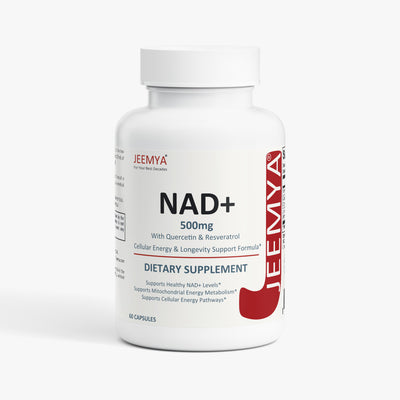
- When comparing your options, review the formula and serving information for Jeemya’s NAD+ supplement.
How Can You Make the Schedule Work for You?
Start with one practical issue, such as a frequently missed lunch or a difficult gap before dinner. Adjust that part of your day and see whether the change improves comfort and access to adequate food.
Eating every three hours can be an organizational tool. It is not a proven requirement for keeping metabolism active or increasing daily calorie burning. Keep it flexible where appropriate, and choose the routine for what it helps you do.
References
[1] Westerterp. Diet induced thermogenesis (2004). Read source
[2] Ohkawara et al. Effects of increased meal frequency on fat oxidation and perceived hunger (2013). Read source
[3] Zhang et al. Objective and subjective appetite measures: high versus low eating frequency in a randomized crossover clinical trial (2025). Read source
[4] Blazey et al. The effects of eating frequency on changes in body composition and cardiometabolic health in adults: a systematic review with meta-analysis of randomized trials (2023). Read source
[5] Cameron et al. Increased meal frequency does not promote greater weight loss in subjects who were prescribed an 8-week equi-energetic energy-restricted diet (2010). Read source
[6] NIDDK. Low Blood Glucose (Hypoglycemia). Read source
[7] UC San Diego CHEAR. Meal Timing: Every 3 or 4 Hours? (2025). Read source

0 comments